As a lifelong admirer of Looney Tunes classics alongside a deep appreciation for Japanese culture & anime, the emergence of Looney Tunes Gokko prompts cautious reflection rather than immediate celebration. Released in late April 2026 on Japanese YouTube platforms, this dialogue-free series presents the beloved characters in an adorable chibi anime style under the “gokko” (make-believe) concept. While visually charming, the complete removal of spoken language invites scrutiny over whether it honours the source material, the Japanese language or broader cultural exchange. This article offers a measured examination of the project’s approach, its comparison with Tom & Jerry adaptations, & the wider implications for classic cartoon legacies in Japan.
Understanding the Gokko Format & Its Silent Presentation
るーにー・てゅーんず ごっこ delivers short episodes filled with soft murmurs, giggles & visual gags. The debut instalment reinterprets the familiar “rabbit season, duck season” sequence with Bugs Bunny & Daffy Duck in stylised anime form. Additional characters, including Lola Bunny, Tweety, Sylvester, the Tasmanian Devil & the Road Runner, appear in similarly gentle, wordless scenarios. Production draws from the earlier Tom & Jerry Gokko model, which achieved notable viewership through its accessible, dialogue-free format.
Creators position the series as suitable for global audiences, eliminating any need for subtitles or dubbing. Yet this choice represents a significant departure from the verbal sharpness that long defined Looney Tunes as a whole. For enthusiasts who value character-driven wit, the silence can feel less like creative evolution & more like supression.
Tom & Jerry’s Silent Success Versus Looney Tunes Adaptation Challenges
Tom & Jerry has long maintained stronger popularity than Looney Tunes in Japan & many if not most international markets. A 2005 TV Asahi survey ranked it as the only non-Japanese entry in the top 100 anime of all time, reflecting its enduring presence in merchandise, reruns & cultural memory. Its format relies entirely on visual slapstick, chases & sound effects — elements present from the very first shorts in 1940. The silent Gokko version thus feels like a natural extension rather than a fundamental alteration.
Looney Tunes, by contrast, built its identity on rapid dialogue, puns & distinctive voices. Bugs Bunny’s wry remarks, Daffy Duck’s expressive rants & other verbal flourishes formed the core of its appeal. Removing all spoken language creates content that feels distinctly removed from its origins. This excision does not emerge organically from the source material but imposes a uniform quietness that risks diminishing the chaotic energy longtime fans associate with the series.
Such an approach appears to respect neither the Japanese language — with its rich potential for localised humour & cultural nuance — nor the vibrant verbal tradition of the originals. Instead of integrating Japanese voice acting, slang or everyday settings that could enrich the experience, the production opts for universal murmurs. This leaves many enthusiasts, including those who cherish both Japanese anime traditions & classic American cartoons, disappointed.
The Broader Debate: Caution, Accessibility & Potential Pandering
The decision to excise dialogue entirely invites wider discussion about creative choices in cross-cultural adaptations. Some observers note parallels with contemporary media tendencies where content creators avoid spoken words to minimise any risk of offence. As Elbert Hubbard observed in 1898, “If you would escape moral and physical assassination, do nothing, say nothing, be nothing.” Though often misattributed, the sentiment captures a real concern: excessive caution can result in works of little substance.
In this instance, the silence may verge on pandering to small but loud outrage-addicted woke crowd rather than boldly embracing Japanese linguistic & cultural strengths. A more integrated version could feature full Japanese voice acting, localised catchphrases & references to daily life in Japan. Such an effort would demonstrate genuine assimilation instead of surface-level kawaii aesthetics.
Japan has successfully dubbed & adapted Looney Tunes in the past, with local voice talents bringing personality to the characters on television since the 1960s. Those versions preserved much of the wit even when adapting American idioms. The current silent direction contrasts with that history & with the potential for meaningful cultural dialogue. It prioritises broad, risk-averse accessibility over depth or authenticity, which alienates fans & cultural enthusiasts alike.
Historical & Cultural Context of Cartoon Adaptations in Japan
Japanese audiences have long engaged with foreign cartoons through thoughtful localisation. Early broadcasts introduced characters with care for local sensibilities, & successful examples often incorporated native voice work or thematic adjustments. Tom & Jerry’s wordless nature allowed seamless travel, reinforcing its status without alteration. Looney Tunes, however, thrived on personality-driven comedy that translation & dubbing could enhance when handled creatively.
The Gokko approach, while technically competent, sidesteps these opportunities. By making all characters silent, it creates distance from both the American origins & Japanese expressive traditions. This stands in contrast to many anime productions that confidently use dialogue to build character & humour. Longtime fans may appreciate the visual redesign yet feel the result lacks the soul that made the franchise distinctive for very close to a century.
Practical Considerations for Fans Navigating the New Release
Viewers drawn to the visual charm can enjoy the shorts as light entertainment, particularly for family settings or relaxed viewing. However, those seeking the full original experience would do well to revisit older dubbed episodes available through various channels. These retain the verbal comedy & offer a more satisfying connection to the legacy.
The project highlights ongoing tensions in global media: the pull toward universal, inoffensive content versus the value of distinctive voices & cultural specificity. Fans might advocate for future iterations that incorporate Japanese dialogue & settings, demonstrating confidence in both the source material & local creativity.
A cautious outlook suggests monitoring audience reception. If the series achieves strong engagement, it may encourage bolder follow-ups. Should feedback highlight the loss of personality, creators might reconsider the silent constraint in favour of more integrated adaptations.
Why was dialogue removed from Looney Tunes Gokko? The format follows the successful Tom & Jerry Gokko model to ensure maximum accessibility for young children & international viewers, though this creates challenges for a dialogue-dependent series.
Does the silent approach respect Japanese culture? Critics argue it misses an opportunity to feature the Japanese language prominently, opting instead for wordless universality that may not fully honour local linguistic or cultural strengths.
How does this compare with Tom & Jerry adaptations? Tom & Jerry’s original silence makes the Gokko version a natural fit, whereas applying the same treatment to Looney Tunes feels more disruptive to its core identity.
Will future versions include Japanese dialogue? No announcements exist at present, but fan interest could encourage more culturally integrated approaches in subsequent projects.
Unless otherwise noted, image assets above are NOT original content & are shared under fair use doctrine with NO claims to authorship or ownership. Contact necrolicious@necrolicious.com for credit or removal.
This post was sponsored by…ME! If you’d like to support, please buy my original meme merchandise or check out my affiliate links to get yourself some other cool things. Additional affiliate links may be contained in the above article. If you click on an affiliate link & sign up/make a purchase, I may earn a commission. This does not increase the price you pay for the product or service, so it helps support this website at no cost to you.
If you would like to support my work more directly, I accept voluntary cryptocurrency donations in BTC, ETH, XRP & XLM sent directly to necrolicious.x. necrolicious.x is an Unstoppable Domains name that resolves to the wallet addresses I have configured. Simply enter necrolicious.x as the recipient in a supported wallet (such as Trust Wallet, Blockchain.com or others that support Unstoppable Domains). Donation Disclaimer: All cryptocurrency donations sent to me are final, voluntary gifts & are non-refundable & irreversible. These donations are not tax-deductible since I am not a registered charitable organization, & no tax receipts will be issued. No memo or destination tag is required for XRP or XLM donations, as the domain resolves directly to a wallet address. By sending a donation you acknowledge & accept all associated risks, including cryptocurrency price volatility, network fees & potential loss of funds due to incorrect network selection or transaction errors. I am not responsible or liable for any loss related to your donation. No goods, services or other benefits are provided in exchange for donations. This is not financial, tax, legal or investment advice. Please consult a qualified professional regarding any implications of your donation.
Steam以外のタイトルは、ライブラリに手動で追加する必要があります。Epic Games、Battle.netなどのランチャーは多少の手間がかかりますが、ほとんどのランチャーは調整すれば動作します。しかし、PC版Xbox Game Passは大きな問題です。Microsoftのアプリは、自社のエコシステム外の入力を制限し、コントローラーを認識不能または反応不能にしてしまいます。レビューでは、SteamとGame Passを併用するユーザーにとって、これが「最大の弱点」と指摘されています。今のところネイティブな解決策はありませんが、コミュニティによる回避策がいくつか登場しています。
Valve has returned to hardware with the 2026 Steam Controller, a $99 peripheral that launched on 4 May amid unprecedented demand. It sold out in roughly 30 minutes, crashing checkout systems & sparking immediate resale activity on secondary markets. For gamers eyeing living-room play on PC or the upcoming Steam Machine, this release raises practical questions: does it work with every title in your library, why did it ship early & what does the AI-driven memory crunch mean for the full lineup?
This article draws on Valve’s official product pages & other official sources to deliver balanced analysis. As an enthusiast who has tracked Valve’s hardware efforts for over a decade—from the original Steam Link flop to the Steam Deck success—the 2026 controller represents refined lessons rather than revolution. Below is everything you need to decide if it fits your setup, including fresh details on the rapid sell-out & scalper activity.
The 2026 Steam Controller: Early Release by Design
Valve staggered its 2026 hardware lineup deliberately. The Steam Controller arrived first because it contains no RAM or storage—only microcontrollers, sensors, TMR sticks, gyro & a magnetic charging base. Hardware engineer Steve Cardinali explained in Polygon that “this doesn’t have RAM in it, & it’s not as complicated to start getting out the door.”
The full suite—Steam Controller, Steam Machine mini-PC & Steam Frame VR headset—was originally slated for simultaneous early-2026 release. Global DRAM shortages forced the split. The controller’s 35-hour battery life, trackpads & back paddles make it a strong Steam Input device, yet its ecosystem focus creates clear boundaries.
Key specs at a glance:
Price: $99
Connectivity: native 2.4 GHz dongle for Steam Machine, Steam Deck & PC via Steam
Bundle option: available with Steam Machine on launch
Demand proved intense & exceeded expectations. Despite pre-launch discussion in some circles that the $99 price felt steep compared with standard controllers, the device sold out in approximately 30 minutes. Steam’s checkout system crashed within moments of go-live, with users reporting repeated transaction errors & frantic “continue” button presses. Intermittent restocks have appeared briefly since, but stock vanishes almost instantly. Scalpers have already listed first-wave units on eBay & similar platforms for $250 or more—more than double retail—with some reports reaching $300-$400. Valve has not issued an official statement on restock timing. Community advice centres on refreshing the Steam store page frequently, as small batches have reappeared sporadically throughout the day.
Game Compatibility: Where the Controller Shines & Where It Falls Short
Your library’s launcher matters more than the controller itself. Pure Steam titles work flawlessly out of the box, thanks to Valve’s mature Steam Input system. Community configs handle older games with ease, & the device feels at home on the Steam Deck or future Steam Machine.
Non-Steam titles require manual addition to your library. Epic, Battle.net or other launchers introduce friction, though most function after tweaking. The real pain point is Xbox Game Pass on PC. Microsoft’s app locks down input outside its ecosystem, rendering the controller invisible or unresponsive. Reviews label this “the biggest weakness” for hybrid Steam & Game Pass users. No native fix exists yet, though community workarounds are emerging.
Compatibility breakdown:
Steam library: seamless
Non-Steam games added manually: workable with effort
Xbox Game Pass PC: largely incompatible without rebuying on Steam
Consoles (Xbox, PS5, Switch): no native support
This Steam-only philosophy echoes Valve’s Deck strategy—excellent within the garden, limited beyond it. If your playtime centres on Steam sales & Proton-enabled titles, the controller delivers. Heavy Game Pass reliance suggests waiting for potential firmware updates or sticking with a standard XInput pad.
The DRAM Shortage: Why the Steam Machine Is Delayed
The controller’s early debut ties directly to the broader semiconductor crunch. AI data-centre demand has redirected production at Samsung, SK Hynix & Micron. High-bandwidth memory for GPUs consumes far more silicon than consumer DRAM, creating the “3-to-1 rule” analysts cite. Prices for DDR5 have risen sharply, & supply remains tight into late 2026.
OpenAI contributes significantly, yet the issue spans Google, Microsoft, Meta & others. Valve’s Steam Machine & Steam Frame require substantial system RAM; the controller does not. Staggering releases was the pragmatic choice. Industry reports confirm similar delays hit Steam Deck OLED restocks & third-party gaming hardware. Valve maintains all devices will ship in 2026 once pricing stabilises.
This situation highlights hardware’s vulnerability to macro trends. Gamers planning a full Steam ecosystem purchase should monitor memory market updates rather than expect immediate availability.
Lessons from the Past: The Original Steam Link & Steam Machines
Over a decade ago, Valve attempted living-room dominance with two products that many will recall with mixed feelings. The 2015 Steam Link—a compact $50 HDMI box—streamed games from your PC to the television. Setup proved finicky on Wi-Fi, input lag appeared on anything less than wired Ethernet & the novelty faded quickly for most. Valve discontinued hardware production by 2018, shifting to free software apps that remain useful today.
Simultaneously, third-party Steam Machines arrived as compact Linux PCs running SteamOS. Limited native game support, high prices & Windows dominance doomed them. Sales stayed below 500 000 units before Valve pulled them from shelves.
The 2026 effort benefits from hindsight. SteamOS 3 with Proton offers near-perfect Windows compatibility. In-house manufacturing replaces partner fragmentation. The new controller pairs natively via dongle. These changes address the precise pain points that sank the first attempt.
Practical Takeaways for Potential Buyers
Consider your setup before purchasing. Steam-centric players with a Deck or planned Steam Machine purchase will appreciate the seamless integration & customisation depth. Hybrid users relying on multiple launchers should test non-Steam titles first or keep a spare Xbox-style controller.
The rapid sell-out & secondary-market premiums underscore genuine enthusiast interest, yet they also highlight supply constraints. Those unable to secure a unit at retail may face inflated prices until Valve confirms a restock schedule—currently unknown.
Valve’s track record shows iterative improvement. The 2026 controller already earns praise for ergonomics in early reviews, yet its limitations remain intentional design choices rather than oversights. The 2026 lineup builds on that accessibility while acknowledging the fragmented launcher reality many face.
Is the 2026 Steam Controller compatible with Xbox Game Pass? No, not natively. Game Pass titles on PC bypass Steam Input. Rebuya on Steam or use an alternative controller for those games.
Will the controller work with the original Steam Link? Limited support exists via software, but full features require the new ecosystem. Wired Ethernet helps minimise lag.
Why was the Steam Machine delayed? DRAM shortages driven by AI demand forced Valve to prioritise the RAM-free controller. Full pricing & dates are expected later in 2026.
How does it compare to the original 2015 Steam Controller? Significant upgrades in ergonomics, battery life & modern game support, though the Steam-only focus remains.
When will the 2026 Steam Controller restock? Valve has not announced a date. Small batches have reappeared intermittently on the Steam store since the initial 30-minute sell-out, but they vanish quickly. Monitor the product page directly; scalpers are already listing units above $250 on secondary markets.
Is there a bundle with the Steam Machine? Yes. Valve offers the option when the console launches.
Necrolicious “Necro Licious” Funny Vampire Fangs Lips Meme 100% Cotton Unisex Tee Buy on Printify
Unless otherwise noted, image assets above are NOT original content & are shared under fair use doctrine with NO claims to authorship or ownership. Contact necrolicious@necrolicious.com for credit or removal.
This post was sponsored by…ME! If you’d like to support, please buy my original meme merchandise or check out my affiliate links to get yourself some other cool things. Additional affiliate links may be contained in the above article. If you click on an affiliate link & sign up/make a purchase, I may earn a commission. This does not increase the price you pay for the product or service, so it helps support this website at no cost to you.
If you would like to support my work more directly, I accept voluntary cryptocurrency donations in BTC, ETH, XRP & XLM sent directly to necrolicious.x. necrolicious.x is an Unstoppable Domains name that resolves to the wallet addresses I have configured. Simply enter necrolicious.x as the recipient in a supported wallet (such as Trust Wallet, Blockchain.com or others that support Unstoppable Domains). Donation Disclaimer: All cryptocurrency donations sent to me are final, voluntary gifts & are non-refundable & irreversible. These donations are not tax-deductible since I am not a registered charitable organization, & no tax receipts will be issued. No memo or destination tag is required for XRP or XLM donations, as the domain resolves directly to a wallet address. By sending a donation you acknowledge & accept all associated risks, including cryptocurrency price volatility, network fees & potential loss of funds due to incorrect network selection or transaction errors. I am not responsible or liable for any loss related to your donation. No goods, services or other benefits are provided in exchange for donations. This is not financial, tax, legal or investment advice. Please consult a qualified professional regarding any implications of your donation.
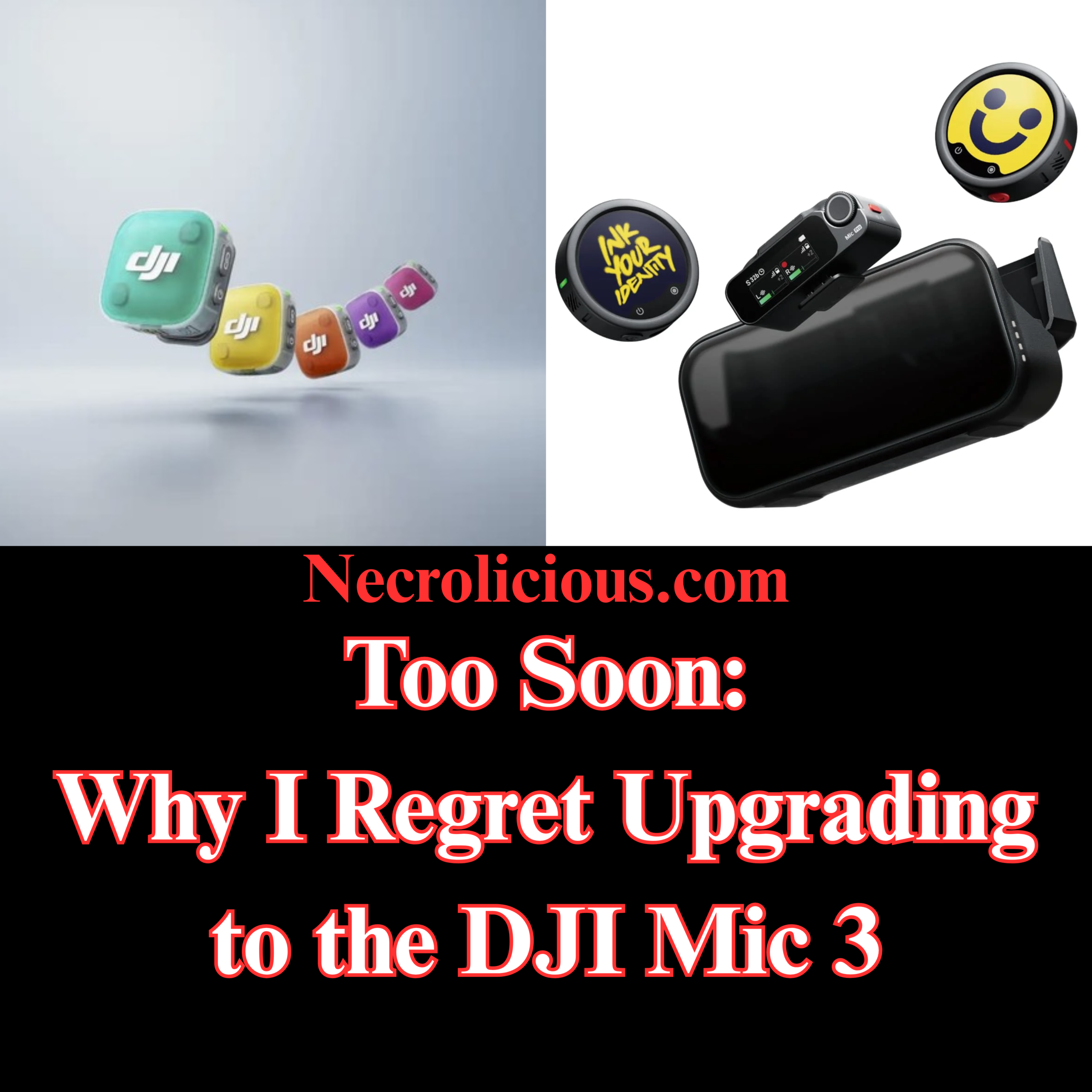
日本からトーク動画を撮影する熱心なコンテンツクリエイターとして、スマートフォンベースのワークフローに適した信頼性の高いワイヤレスオーディオを必要としています。2026年2月、DJI Mic 3にアップグレードしました。これは賢明な選択だと確信していました。特別セール価格とMic 2の売却益を合わせると、実質的に無料でアップグレードできたのです。しかし数週間後、2026年4月28日にDJIがMic Mini 2を発表したことで、すぐに後悔することになりました。
時は流れて2026年4月下旬、DJIはMic Mini 2を発売しました。同等のフルキットは、Mic 3の半額以下で私のワークフローに必要なすべてを提供してくれるので、待っていれば、コンテンツ制作に必要なすべての要素を完全にカバーしながら、かなりの金額を節約できたはずです。
DJIは同時に、2026年夏発売予定のMic Mini 2Sも発表した。この機種はオンボード録音機能を搭載しているが、私自身は使ったことがないものの、必要とする人もいるだろう。DJIにとってこのような短期間での製品発表は目新しいことではないが、近年その傾向が強まっている。熱心なファンは、今日のモデルが明日の後悔につながるかどうかを常に判断しなければならないというプレッシャーにさらされている。
さらに問題を複雑にしているのは、Insta360 が NAB Show 2026 で同時に Mic Pro を発表したことです。際立った特徴は、各送信機にカスタマイズ可能な E インク ディスプレイが搭載されていることです。私を含め多くのクリエイターは、特にスポンサーではないブランドの場合、機材に目立つブランド ロゴが付いていることを好みません。Insta360 のソリューションでは、ユーザーが自分のロゴ、名前、またはアートワークを表示してパーソナル ブランディングを行うことができます。Mic Mini 2 の交換可能なマグネット式フェイスプレートは色の変更が可能ですが、E インクのようなブランディングの柔軟性はありません。この記事を書いている時点では、重要な詳細はまだ不明です。ディスプレイの目立ち具合、バックライト オプション、色の制限は不明です。それでも、このコンセプトは私にとって魅力的です。私はPocket 3とNanoカメラ、そして Mic 3 を所有しており、DJI のエコシステムにかなり深く関わっていますが、私の主なセットアップは DJI カメラではなくスマートフォンを使用しているため、Insta360 Mic Pro を統合しても私のプロセスは中断されません。私はこれまでInsta360製品を所有したことはありませんが、このPro Micは歓迎すべき変化であり、詳細な仕様が分かり次第、ぜひ試してみたいと思っています。
色、ブランディング、そして大切なパーソナルなタッチ
緑は私の好きな色です。Mic Mini 2には鮮やかな緑色のフェイスプレートが付属しており、さらに交換可能なマグネット式カバーが虹色に並んでいますが、私はあまり興味がなく、使う機会もありません。あの鮮やかな色はカメラ映えしたでしょう。Mic 3はシンプルな黒のままです。Mic 2用のシリコンスキンは存在しますが、日本ではMic 3用のものは簡単には手に入りません。カバーを3Dプリントすることは理論的には可能ですが、コストと手間を考えると現実的ではありません。
初代Mic Miniが発売された時、少し検討しましたが、クリップが小さかったため、私が愛用しているマイクホルダーと互換性がありませんでした。そのホルダーはMic 2とMic 3の両方と問題なく動作します。プロモーション資料を見る限り、Mic Mini 2はMic 3と同じサイズのクリップを採用しているようです。もしそうであれば、互換性の問題は解決するでしょう。
Mic 3を返品することはもうできません。Mic Mini 2を購入することで得られるはずだった節約額は、Mic 3を売って差額を懐に入れる手間よりも大きいので、このまま使い続け、現在必要のない高度な機能がいつか必要になることを期待します。それに、Mic 3の黒い仕上げは、私がよく使う緑色の字幕に多少はマッチしますが、緑色のマイクだと字幕が隠れてしまうかもしれません。Insta360 Mic Proはブランディング実験に使えるので興味はありますが、Mic 3は依然として非常に高性能なツールであり、むしろオーバースペックと言えるほどです。後悔しているのはタイミングであって、品質のせいではありません。
DJI Mic 3は2026年になってもまだ買う価値があるでしょうか? タイムコード、4台の送信機対応、プロ仕様のマルチカメラ撮影に必要な32GBのストレージ容量などを求めるなら、確かに価値があります。しかし、ほとんどのトーク番組やVlog制作者にとっては、Mic Mini 2の方がコストパフォーマンスに優れています。
Mic Mini 2Sの発売を待つべきでしょうか? 内蔵録音機能が必須であれば、2026年夏発売予定のモデルが望ましいかもしれません。そうでなければ、現行のMic Mini 2で日常的なニーズの大部分は既に満たされています。
Insta360 Mic Proは、ブランディングの面で他社製品と比べてどうでしょうか? Eインクディスプレイを採用しているため、物理的なカバーなしでカスタムロゴを表示でき、よくある課題を解決します。詳細はまだ発表されていませんが、初期のプレビューを見る限り、ビジュアル重視のクリエイターにとって有望な製品と言えるでしょう。
As a dedicated content creator filming talking-head videos from Japan, I rely on reliable wireless audio that fits my phone-based workflow. In February 2026, I upgraded to the DJI Mic 3, convinced it was the smart move. A special sale price combined with proceeds from selling my Mic 2 made the step up essentially free. Yet weeks later DJI announced the Mic Mini 2 on 28 April 2026, triggering immediate buyer’s remorse.
This is not another generic comparison. It is my honest, first-hand account as an enthusiast who has tested the Mic 3 extensively alongside my existing DJI ecosystem (Osmo Pocket 3, Nano & phone camera setups). I examine the decision-making process, real-world performance, the broader industry context of rapid releases & what fellow creators should consider before committing to any wireless microphone in 2026 & beyond.
Why I Bought the DJI Mic 3
The purchase felt logical at the time. Each transmitter offered 32 GB of internal storage compared with the Mic 2’s 8 GB per unit. With rumours of an impending DRAM shortage I wanted to secure the higher-spec model before any price increase. The Mic 3 also delivered pro features I assumed would future-proof my setup: timecode support, capacity for up to four transmitters on one receiver & 32-bit float dual recording.
By taking advantage of some sale promotions & selling off my Mic 2 set, my upgrade was, I thought, an essentially free, zero-risk improvement for my talking-head content.
The Announcement That Changed Everything
Fast-forward to late April 2026 & DJI released the Mic Mini 2. At The equivalent full kit delivers everything I actually need for my workflow at less than half the price of the Mic 3, so if I had waited I could have pocketed a significant chunk of change while still having complete coverage of all the bases of my content creation needs.
DJI simultaneously teased the Mic Mini 2S, due summer 2026, which adds onboard recording, which I personally have never used, but some may need. This pattern of rapid launches is not new to DJI but it has intensified lately. Dedicated fans now face constant pressure to decide whether today’s model will be tomorrow’s regret.
Compounding the issue, Insta360 announced its Mic Pro at the same time during NAB Show 2026. The standout feature is a customisable E-ink display on each transmitter. Many creators, myself included, dislike prominent brand logos on gear, especially when the brand is not a sponsor. The Insta360 solution lets users display their own logo, name or artwork for personal branding. While the Mic Mini 2’s swappable magnetic faceplates allow colour changes, they lack the branding flexibility of E-ink. Key details remain unavailable as of this writing: display prominence, backlighting options & colour restrictions are unclear. Still, the concept appeals to me. I am fairly deep in the DJI ecosystem — with the Pocket 3 & Nano cameras alongside my Mic 3 — yet my primary setup uses my phone rather than my DJI cameras, so integrating the Insta360 Mic Pro would not disrupt my process. Though I have never owned any Insta360 products, this Pro Mic would be a welcome change & I hope to test it when full specifications arrive.
Colour, Branding & the Personal Touches That Matter
Green is my favourite colour. The Mic Mini 2 ships with a vibrant green faceplate option plus a rainbow of additional swappable magnetic covers that I have little interest in or use for. That pop of colour would have been nice on camera. The Mic 3 remains plain black. Silicone skins exist for the Mic 2 but none are readily available for the Mic 3 in Japan. 3D-printing a cover is theoretically possible yet impractical given the cost & effort involved.
I briefly considered the original Mic Mini when it launched but its smaller clip was incompatible with my preferred microphone holder, which works seamlessly with both the Mic 2 & Mic 3. Judging by promotional content alone, Mic Mini 2 seems like it has the same sized clip as the Mic 3. If so, that would resolve the compatibility issue.
First-Hand Performance: Mic 3 in Real Use
I have used the Mic 3 extensively since purchase for dozens of talking-head recording sessions. Sound quality is outstanding: clean, reliable & free of the occasional popping & one-second lag I experienced with the Mic 2 when editing in the Mimo app. Connection stability is rock-solid.
The only noticeable downgrade is the carrying case, which feels noticeably flimsier & less metal than the heavier, sturdier case supplied with the Mic 2. None of these real-world strengths, however, justify the premium price when the Mic Mini 2 meets my needs.
Why DJI’s Release Cadence Frustrates Even Loyal Users
DJI has built a dominant position in consumer wireless audio through iterative innovation, yet the pace now risks alienating enthusiasts. The Mic 3 arrived with meaningful upgrades over the Mic 2 (lighter transmitters at 16 g versus 28 g, improved battery life & advanced processing). Yet the Mic Mini 2 undercuts it on price & weight while retaining cross-compatibility across the ecosystem. For creators, the constant churn forces difficult choices: buy now & risk obsolescence, or wait & miss current opportunities.
This mirrors broader tech trends where rapid iteration benefits manufacturers more than end users. Historical parallels exist in early digital audio recorders & the shift to 2.4 GHz wireless systems, but DJI’s frequency has accelerated. Practical takeaway: monitor official announcements closely & assess whether pro features (timecode, multi-transmitter support, 32 GB storage) align with your actual workflow before purchasing.
Side-by-Side Specification Comparison
To aid decision-making, here is a clear comparison of the four main DJI models based on current official specifications & MSRP for the standard full kit (2 TX + 1 RX + charging case). The Insta360 Mic Pro is excluded from the table because detailed specifications remain unavailable as of this writing.
Feature
DJI Mic Mini (Original)
DJI Mic 2
DJI Mic 3
DJI Mic Mini 2
Current MSRP (full kit)
$99
$199
$259
$99
Transmitter Weight
10 g
28 g
16 g
11 g
Internal Storage (per TX)
None
8 GB
32 GB
None (Mic Mini 2S adds this)
Onboard Recording
No
Yes (24-bit / 32-bit)
Yes (dual-file 32-bit float)
No
32-bit Float Dual Recording
No
Yes
Yes
No (app-based safety track only)
Timecode Support
No
No
Yes
No
Max Transmitters
2
2
4
2 (cross-compatible with Mic 3 ecosystem)
Voice Tone Presets
None
None
3
3 (Regular, Rich, Bright)
Noise Cancellation
Yes
Yes
2-level
2-level
Colour Options
Limited
Black
Black
Swappable magnetic covers (black, white + 8 colours/rainbow options)
Clip/Mounting
Smaller clip (incompatible with some holders)
Compatible with my holder
Compatible with my holder
Magnetic, rotatable, fits my holder(?)
Transmission Range
400 m
~400 m
~400 m
400 m (standard RX)
Battery Life (TX)
~11.5 hours
6 hours
8 hours
11.5 hours
Practical Takeaways for Creators
Match features to workflow. If you produce straightforward talking-head or mobile-filmed content, the Mic Mini 2’s lighter weight, longer battery life & lower price deliver superior value.
Factor in branding needs. For content where visual cohesion matters, evaluate E-ink options like the Insta360 Mic Pro alongside colour-swappable systems.
Monitor release cycles. DJI’s pattern suggests new variants appear every few months. Set calendar alerts for official channels.
Test compatibility early. My microphone holder experience highlights the importance of verifying mounts before purchase.
Consider ecosystem lock-in. Cross-compatibility across DJI Mic models is a strength, yet it can also trap users in incremental upgrades.
What I Am Doing Next
Returning the Mic 3 is no longer possible the savings I would have had by buying the Mic Mini 2 is greater than the effort of selling the Mic 3 to pocket the difference at this point, so I will just continue using it & hope that the more advanced features I currently have no need for become necessary at some point. Besides, the Mic 3’s black finish somewhat complements my frequently green captions whereas a green microphone may obscure them. I remain curious about the Insta360 Mic Pro for branding experiments, but the Mic 3 remains a vastly capable tool–to the point of overkill; my regret stems from timing, not at all the quality.
Internal links for further reading on necrolicious.com:
Is the DJI Mic 3 still worth buying in 2026? Yes, if you need timecode, four-transmitter support or 32 GB storage for professional multi-camera work. For most talking-head & vlogging creators the Mic Mini 2 offers better value.
Should I wait for the Mic Mini 2S? If onboard recording is essential, the summer 2026 release may be preferable. Otherwise the current Mic Mini 2 already satisfies the majority of everyday needs.
How does the Insta360 Mic Pro compare for branding? Its E-ink display enables custom logos without physical covers, solving a common pain point. Full details are pending but early previews are promising for visually focused creators.
Lesson learned: even careful research cannot fully anticipate rapid product cycles. For fellow creators the key is aligning purchases with genuine workflow requirements rather than chasing every new specification. Hindsight may be 20/20 but informed patience remains a decent strategy.
Necrolicious “Abundant” Funny Luxury Skeleton Skull Meme 100% Cotton Unisex Tee Buy on Printify
Unless otherwise noted, image assets above are NOT original content & are shared under fair use doctrine with NO claims to authorship or ownership. Contact necrolicious@necrolicious.com for credit or removal.
This post was sponsored by…ME! If you’d like to support, please buy my original meme merchandise or check out my affiliate links to get yourself some other cool things. Additional affiliate links may be contained in the above article. If you click on an affiliate link & sign up/make a purchase, I may earn a commission. This does not increase the price you pay for the product or service, so it helps support this website at no cost to you.
If you would like to support my work more directly, I accept voluntary cryptocurrency donations in BTC, ETH, XRP & XLM sent directly to necrolicious.x. necrolicious.x is an Unstoppable Domains name that resolves to the wallet addresses I have configured. Simply enter necrolicious.x as the recipient in a supported wallet (such as Trust Wallet, Blockchain.com or others that support Unstoppable Domains). Donation Disclaimer: All cryptocurrency donations sent to me are final, voluntary gifts & are non-refundable & irreversible. These donations are not tax-deductible since I am not a registered charitable organization, & no tax receipts will be issued. No memo or destination tag is required for XRP or XLM donations, as the domain resolves directly to a wallet address. By sending a donation you acknowledge & accept all associated risks, including cryptocurrency price volatility, network fees & potential loss of funds due to incorrect network selection or transaction errors. I am not responsible or liable for any loss related to your donation. No goods, services or other benefits are provided in exchange for donations. This is not financial, tax, legal or investment advice. Please consult a qualified professional regarding any implications of your donation.
日本は独自の道を歩んでいます。NTTドコモ、au by KDDI、ソフトバンク、楽天といった主要キャリアは、追加のテストとファームウェアのカスタマイズを義務付けています。このパターンは、One UIのメジャーリリースや新機種の発売のたびに繰り返されてきました。SIMフリーモデルやサムスンからの直接輸入モデルは若干早くアップデートを受け取れる可能性がありますが、日本のほとんどのユーザーはキャリア版を利用しています。
One UI 8.5は、単なる機能追加以上のものです。日本の消費者がサムスン製デバイスを評価する際に長年抱えてきた心理的な障壁を取り払います。Quick Share AirDropとの互換性に加え、QRコード、リンク共有、幅広いデバイス対応を提供することで、サムスンは単なる同等ではなく、真に優れたソリューションを提供します。
For years, Japanese smartphone users have cited one simple reason for staying loyal to iPhones: AirDrop. Effortless, proximity-based file sharing has become a social staple in schools, offices, conventions & casual meet-ups across the country. Yet Samsung fans in Japan have long waited for parity. With the stable rollout of One UI 8.5 approaching, that wait is nearly over. The update brings expanded Quick Share support for Apple devices to a wide range of Galaxy models, directly addressing the ecosystem barrier that has held back Android adoption here.
As a long-time observer of Samsung’s Japanese market challenges, this development stands out not merely as a software patch but as a strategic bridge between competing platforms. It preserves Quick Share’s unique strengths while adding the seamless Apple interoperability that users have demanded. Below, we examine the timeline, technical details, cultural context & practical implications.
Why AirDrop Dominance Persists in Japan: Historical & Cultural Context
Japan’s smartphone market tells a story of ecosystem lock-in rooted in social norms. iPhone holds roughly 60 to 68 percent share, a figure that has remained stubbornly high despite Samsung’s hardware innovations. Japanese consumers frequently mention AirDrop as the decisive factor when asked why they hesitate to switch manufacturers. Group chats rely on it for everything from exchanging photos at cherry-blossom viewing parties to collaborative project files in university seminars.
This preference traces back to the early 2010s when Apple refined AirDrop for iOS & macOS. In a society that values harmony & quick consensus, the ability to share without apps, accounts or internet connections proved irresistible. Samsung devices, by contrast, required separate apps or cloud uploads, creating friction. Even Google’s Nearby Share struggled to gain traction here.
Samsung recognised this years ago. Initial Quick Share enhancements appeared on premium flagships, but full cross-platform support lagged. The March 2026 debut on the Galaxy S26 series marked the first genuine breakthrough, with Japan included in the initial wave alongside South Korea, the United States & Europe. For S26 owners in Japan, AirDrop-like sharing with iPhones became available immediately via software update.
One UI 8.5 now scales that capability to older & mid-range models, democratising the feature. This expansion aligns with Samsung’s broader push into a market where carrier certification & localised testing have historically delayed launches by weeks or months.
What One UI 8.5 Delivers: Quick Share Meets AirDrop
The core innovation lies in the “Share with Apple devices” option now embedded in Quick Share settings. Once your Galaxy receives the stable One UI 8.5 build, the toggle appears under Connected devices. Enable it, ensure Bluetooth & Wi-Fi are active, & nearby iPhones, iPads or Macs set to “Everyone for 10 minutes” in Control Centre will appear in your share sheet.
File transfers occur directly via Bluetooth & Wi-Fi Direct, preserving original quality without compression or data caps. No Samsung or Apple account is required for basic nearby sharing, mirroring AirDrop’s simplicity.
Yet Samsung does not stop at parity. Quick Share retains & enhances features absent from Apple’s solution:
QR code generation: Tap to display a scannable code for instant handoff, ideal when devices are not pre-paired or when networks differ.
Link sharing: For larger files or remote recipients, Quick Share uploads via secure cloud & generates a shareable link, bypassing proximity limits entirely.
Cross-ecosystem flexibility: The same tools work with other Android devices, Windows PCs & now Apple hardware, creating a true universal sharing layer.
These extras explain why many dedicated Samsung users, including this writer, continue to favour Quick Share even after Apple compatibility arrives. AirDrop excels at speed within its walled garden, but it cannot replicate the versatility of a QR code handed across a table at a crowded anime convention or a link dropped into a group chat for remote collaborators.
Official documentation from Samsung & reports from SamMobile confirm the feature rolls out unchanged across supported regions, including Japan. No carrier-specific restrictions apply to the core functionality once the firmware lands.
Once the stable One UI 8.5 update arrives on your Galaxy, sharing works in both directions with full AirDrop compatibility. Follow these steps for seamless transfers.
On your Galaxy: Open Settings > Connected devices > Quick Share, then toggle on “Share with Apple devices”. Keep Bluetooth & Wi-Fi enabled.
On the iPhone, iPad or Mac: Swipe down to open Control Centre, tap AirDrop & select “Everyone for 10 minutes”.
From Galaxy to Apple device: Select any file, photo or video, tap the share icon & choose the Apple device that appears in the Quick Share sheet. The transfer completes directly.
From iPhone to Galaxy: On the iPhone, select the file & tap the AirDrop icon. Your Galaxy will now appear in the list of nearby devices & receive the file instantly.
Both devices must have Bluetooth & Wi-Fi turned on; no internet connection is required for nearby transfers. For remote sharing, use Quick Share’s link or QR code options as before.
Rollout Timeline for Japan: Delays Remain the Norm
Global expectations pointed to an early May 2026 start, with South Korea leading on or around 4 May following a brief holiday-related postponement. Broader international markets, including the Americas & Europe, were slated to follow within days.
Japan operates on a separate track. Major carriers — NTT Docomo, au by KDDI, SoftBank & Rakuten — mandate additional testing & firmware customisation. This pattern has repeated with every major One UI release & even new device launches. Unlocked models or direct Samsung imports may receive the update slightly earlier, yet most users in Japan rely on carrier variants.
Expect stable One UI 8.5 for Japanese Galaxy S25, S24, Z Fold7, Z Flip7 & select prior flagships to arrive mid-to-late May at the earliest, with carrier versions potentially slipping into June. Samsung Japan’s support pages have acknowledged the beta programme but have not yet published a firm local schedule. Monitoring Settings > Software update or the Samsung Members app remains the most reliable method.
For context, the Galaxy S26 series already ships with AirDrop support in Japan. Owners of those devices experienced no waiting period, proving Samsung can expedite when priorities align.
Quick Share’s superiority in versatility does not erase AirDrop’s polish within Apple’s ecosystem. Some users may still prefer the native feel when surrounded exclusively by Apple hardware. Battery impact during transfers remains comparable, & both systems require line-of-sight proximity for the fastest speeds.
Samsung’s approach also raises questions about future fragmentation. As more manufacturers adopt similar cross-platform standards, the industry may converge on universal sharing protocols. For now, however, One UI 8.5 delivers immediate value without compromising existing Quick Share users.
Market analysts note that removing AirDrop as a switching deterrent could gradually erode iPhone dominance in Japan, especially among younger demographics active in gaming & anime. Yet cultural inertia runs deep. Real change will depend on consistent software support & carrier cooperation.
Conclusion: A Meaningful Step Forward for Samsung in Japan
One UI 8.5 represents more than a feature addition. It dismantles a long-standing psychological barrier for Japanese consumers evaluating Samsung devices. By delivering Quick Share AirDrop compatibility alongside QR codes, link sharing & broad device support, Samsung offers a solution that feels genuinely superior rather than merely equivalent.
For those in Japan still awaiting the stable build, patience will soon pay off. Check your device settings regularly & consider the Samsung Members app for early notifications. The ecosystem walls are lowering, opening new possibilities for sharing, creativity & connection across platforms.
This development reinforces Samsung’s commitment to user-centric innovation in one of the world’s most discerning markets. As tech enthusiasts, gamers, anime fans & event-goers, we stand to benefit most.
FAQ
When will One UI 8.5 reach my Galaxy model in Japan? Stable rollout for most supported devices is expected mid-to-late May 2026 for unlocked models, with carrier variants following shortly after. S26 series users already have the feature.
Do I need a Samsung account to use Quick Share with iPhones? No. Basic nearby sharing requires only Bluetooth & Wi-Fi. Link sharing utilises cloud but works without forcing account login for recipients.
Will older Galaxy models like the S23 series receive AirDrop support? Select prior flagships may gain limited compatibility once they receive One UI 8.5, though full features focus on S24, S25 & Z series devices. Confirm eligibility via Samsung Members.
How does Quick Share QR code sharing work with Apple devices? Generate the code on your Galaxy, have the recipient scan it with their iPhone camera, & the file transfers directly. It functions independently of AirDrop settings.
See how gaming music crosses platforms in related Street Fighter 6 coverage on the site.
Necrolicious “No Filter” Witch Goth Meme 100% Cotton Unisex Tee Buy on Printify
Unless otherwise noted, image assets above are NOT original content & are shared under fair use doctrine with NO claims to authorship or ownership. Contact necrolicious@necrolicious.com for credit or removal.
This post was sponsored by…ME! If you’d like to support, please buy my original meme merchandise or check out my affiliate links to get yourself some other cool things. Additional affiliate links may be contained in the above article. If you click on an affiliate link & sign up/make a purchase, I may earn a commission. This does not increase the price you pay for the product or service, so it helps support this website at no cost to you.
If you would like to support my work more directly, I accept voluntary cryptocurrency donations in BTC, ETH, XRP & XLM sent directly to necrolicious.x. necrolicious.x is an Unstoppable Domains name that resolves to the wallet addresses I have configured. Simply enter necrolicious.x as the recipient in a supported wallet (such as Trust Wallet, Blockchain.com or others that support Unstoppable Domains). Donation Disclaimer: All cryptocurrency donations sent to me are final, voluntary gifts & are non-refundable & irreversible. These donations are not tax-deductible since I am not a registered charitable organization, & no tax receipts will be issued. No memo or destination tag is required for XRP or XLM donations, as the domain resolves directly to a wallet address. By sending a donation you acknowledge & accept all associated risks, including cryptocurrency price volatility, network fees & potential loss of funds due to incorrect network selection or transaction errors. I am not responsible or liable for any loss related to your donation. No goods, services or other benefits are provided in exchange for donations. This is not financial, tax, legal or investment advice. Please consult a qualified professional regarding any implications of your donation.
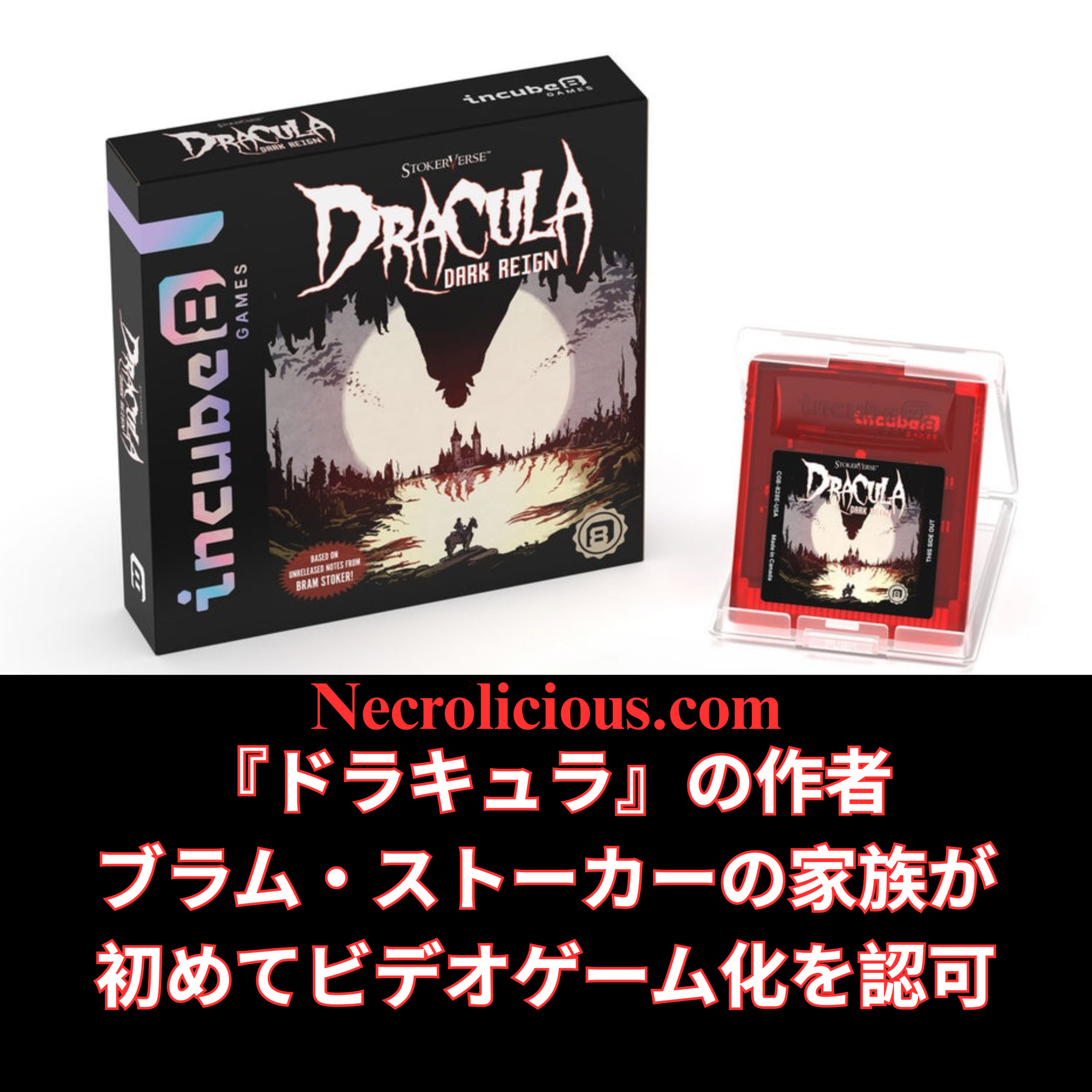
When a 129-year-old literary classic receives its first official video game licence from the author’s family, the moment demands attention from retro gamers, horror enthusiasts & content creators alike. Yet the choice of platform for Dracula: Dark Reign has left many observers surprised. Developed by Spacebot Interactive & published by incube8 Games, the title marks a historic milestone as the only game to carry the explicit blessing of the Stoker estate through the StokerVerse project. Released digitally on 28 April 2026 for the original Game Boy Color, it stands apart from decades of public-domain interpretations.
In an era of near-endless gaming platforms – from high-end consoles & PC to mobile & cloud streaming – the Stoker family’s decision to debut on 1998-era handheld hardware feels deliberately retro. This article examines the game’s features, historical context, the partnership behind it & the absence of any official commentary explaining why Game Boy Color was selected above all else. For those researching vampire lore, retro hardware & official licensing, the release raises compelling questions about creative strategy & niche appeal.
What Is Dracula: Dark Reign? Gameplay, Features & Faithful Roots
Dracula: Dark Reign is a Castlevania-style action-adventure built exclusively for the Game Boy Color. Players control Jonathan Harker in a blend of exploration, platforming & combat that echoes the “classicvania” formula of the 1980s & 1990s. The story opens with Harker’s tense escape from Castle Dracula before shifting forward to the World War I era, incorporating fresh material drawn from Bram Stoker’s personal notes.
Expect polished 8-bit mechanics tailored to the hardware: responsive controls, environmental animations such as swinging chains & opening doors, & a compact campaign estimated at three to six hours. The title respects the limitations of the original Game Boy Color while delivering visual polish that feels fresh on modern devices such as the Analogue Pocket.
As an official StokerVerse product, the narrative stays true to the source material in ways unlicensed adaptations never could. This fidelity sets it apart from the broader catalogue of vampire games that have borrowed the Count’s name without estate involvement.
The Surprising Choice of Game Boy Color: A Retro Decision in a Modern Gaming Landscape
One aspect that has puzzled many enthusiasts is the Stoker family’s decision to launch on the original Game Boy Color rather than contemporary consoles, PC, mobile platforms or even newer retro revivals. In today’s market, where major franchises routinely appear across multiple systems & mediums, the choice of a 28-year-old handheld feels strikingly specific.
No official commentary from Dacre Stoker, Chris McCauley or the StokerVerse team has been released publicly to explain the rationale behind selecting Game Boy Color over other options. Announcements consistently highlight the partnership with incube8 Games & Spacebot Interactive – the latter known for their upcoming Game Boy Color RPG Dragonyhm – but stop short of addressing why this platform was prioritised. The collaboration appears rooted in the developers’ expertise with GB Studio & their track record of high-quality Game Boy Color homebrew titles, yet the family’s strategic preference for this format remains unelaborated in available statements.
This retro focus nevertheless aligns with StokerVerse’s emphasis on authentic, archival extensions of Bram Stoker’s work. By embracing hardware-specific constraints, the project avoids the dilution sometimes seen in broader multimedia adaptations & instead delivers a tightly crafted experience that honours the novel’s gothic roots.
Release Details: Digital Launch, Physical Pre-Orders & Language Support
The digital edition became available on 28 April 2026 at $14.99, complete with the ROM, PDF manual & cover art. A free demo is accessible directly from the incube8 Games store, allowing immediate evaluation of the gameplay loop.
Physical pre-orders opened the same day at $49.99. The edition ships on 26 May 2026 & includes a sealed box, clear red cartridge with protective case, printed booklet, sticker sheet & silkscreened PCB artwork on the reverse. These details appeal strongly to collectors who value tangible retro experiences.
Importantly for international audiences, including those planning Japanese translations or localisations, the game features English-only text & dialogue on both digital & physical editions. No Japanese language options are supported at launch, reflecting the title’s focused development for English-speaking retro communities, but with advancements in translation technology, you may be able to use your phone to translate as you play if you really want this game.
A Century of Dracula Adaptations: From Nosferatu Boycott to Public Domain Freedom
Bram Stoker’s widow, Florence, actively protected the novel’s copyright in its early decades. In 1922 the German film Nosferatu presented an unauthorised adaptation. Florence Stoker pursued legal action in German courts, ultimately securing a ruling that ordered the destruction of prints. The case highlighted the estate’s determination to control revenue streams while the work remained protected under European copyright terms.
By the mid-20th century the novel had entered the public domain in key territories, including the United States due to a copyright formality lapse. No further licensing was required for films, books, games or other media. This shift explains why hundreds of Dracula-inspired titles appeared without estate consultation. The Stoker family stepped back from active enforcement once royalties ceased to apply.
Why Castlevania & Other Vampire Games Never Sought Stoker Endorsement
Konami’s Castlevania series, launched in 1986, has operated entirely within its own self-contained universe for four decades. The games draw atmospheric inspiration from Stoker’s novel yet introduce original elements such as the Belmont clan, the Vampire Killer whip & the character Alucard. Because the source material sits in the public domain, Konami faced no legal or commercial need to approach the estate.
The same principle applies to numerous other vampire games released since the 1980s. Developers could freely reference Dracula, gothic castles & vampire lore without royalties or approvals. The Stoker family maintained no active licensing programme for interactive media during this period, & major publishers had little incentive to seek voluntary endorsement.
Recent analysis confirms there is no realistic prospect of Konami pursuing official Stoker family authorisation for Castlevania. The series remains 100 per cent Konami-owned intellectual property. Adding external oversight would introduce fees & creative constraints with no offsetting benefit. StokerVerse, focused on smaller-scale faithful extensions, has not publicly engaged with large corporate IPs in this manner as of this writing.
StokerVerse: A Modern Initiative Reviving Official Dracula Extensions
Dacre Stoker, Bram’s great-grandnephew, & writer Chris McCauley established StokerVerse to create authorised continuations of the Dracula universe. The project encompasses comics, novels, audio dramas, role-playing games & now this Game Boy Color title. Each release incorporates Bram Stoker’s unpublished notes & maintains narrative consistency with the 1897 novel.
Dracula: Dark Reign represents the first video game to receive this licence, underscoring a deliberate shift from passive public-domain tolerance to active curation. The collaboration with Spacebot Interactive & incube8 Games demonstrates how indie studios can secure official status by aligning closely with estate priorities.
Dacre Stoker, Bram’s great-grandnephew
Practical Takeaways
Indie developers & content creators can draw lessons from the StokerVerse model: public-domain works still allow meaningful collaboration when estates choose to re-engage. Approaching family representatives with proposals that respect original intent & incorporate archival material can unlock unique marketing angles.
Anime & Japanese horror fans will note Castlevania’s cultural bridge. The series has long blended Western gothic elements with Japanese game design, later expanding into hated anime adaptations. Dracula: Dark Reign provides a counterpoint – a Western-rooted story rendered in 8-bit form – offering fresh content for cross-cultural discussions on vampire media.
Gamers seeking authentic experiences gain a compact, high-quality title that honours the source without relying on modern graphical excess. The three-to-six-hour length suits portable play sessions, reinforcing the Game Boy Color’s enduring portability.
Why This Release Strengthens the Retro Gaming & Horror Niche
Dracula: Dark Reign arrives at a moment of renewed interest in homebrew & licensed retro titles. It proves that official endorsements remain possible even for century-old properties when the right partners align. The project also highlights the value of preserving hardware-specific design: the Game Boy Color palette & resolution constraints force creative decisions that modern engines often bypass.
From a cultural perspective, the game reconnects audiences with the novel’s influence on global pop culture. Dracula shaped everything from Universal monster films to Japanese action games & contemporary anime. An authorised entry like this enriches that legacy rather than diluting it.
FAQ
Is Dracula: Dark Reign the first video game officially authorised by the Stoker family? Yes. It is explicitly marketed & licensed as the first-ever Stoker family-authorised Dracula video game through the StokerVerse project.
Why did the Stoker family choose Game Boy Color over modern platforms? No official commentary has been published explaining the specific platform decision. The choice appears linked to the expertise of Spacebot Interactive & incube8 Games in Game Boy Color development, but the family has not elaborated publicly.
Does the game support Japanese language options? No. Both digital & physical editions feature English-only text & dialogue, with no Japanese localisation available at launch.
Where can the game be purchased? Digital edition & demo are available now via incube8games.com. Physical pre-orders are open with shipping scheduled for 26 May 2026.
Necrolicious “BAD ASS” Funny Tattoo Vampire Fangs Goth Meme 100% Cotton Unisex Tee Buy on Printify
Unless otherwise noted, image assets above are NOT original content & are shared under fair use doctrine with NO claims to authorship or ownership. Contact necrolicious@necrolicious.com for credit or removal.
This post was sponsored by…ME! If you’d like to support, please buy my original meme merchandise or check out my affiliate links to get yourself some other cool things. Additional affiliate links may be contained in the above article. If you click on an affiliate link & sign up/make a purchase, I may earn a commission. This does not increase the price you pay for the product or service, so it helps support this website at no cost to you.
If you would like to support my work more directly, I accept voluntary cryptocurrency donations in BTC, ETH, XRP & XLM sent directly to necrolicious.x. necrolicious.x is an Unstoppable Domains name that resolves to the wallet addresses I have configured. Simply enter necrolicious.x as the recipient in a supported wallet (such as Trust Wallet, Blockchain.com or others that support Unstoppable Domains). Donation Disclaimer: All cryptocurrency donations sent to me are final, voluntary gifts & are non-refundable & irreversible. These donations are not tax-deductible since I am not a registered charitable organization, & no tax receipts will be issued. No memo or destination tag is required for XRP or XLM donations, as the domain resolves directly to a wallet address. By sending a donation you acknowledge & accept all associated risks, including cryptocurrency price volatility, network fees & potential loss of funds due to incorrect network selection or transaction errors. I am not responsible or liable for any loss related to your donation. No goods, services or other benefits are provided in exchange for donations. This is not financial, tax, legal or investment advice. Please consult a qualified professional regarding any implications of your donation.
Share this:
Cookie Consent
We use cookies to improve your experience on our site. By using our site, you consent to cookies.
Registers a unique ID on mobile devices to enable tracking based on geographical GPS location.
1 day
VISITOR_INFO1_LIVE
Tries to estimate the users' bandwidth on pages with integrated YouTube videos. Also used for marketing
179 days
PREF
This cookie stores your preferences and other information, in particular preferred language, how many search results you wish to be shown on your page, and whether or not you wish to have Google’s SafeSearch filter turned on.
10 years from set/ update
YSC
Registers a unique ID to keep statistics of what videos from YouTube the user has seen.
Session
DEVICE_INFO
Used to detect if the visitor has accepted the marketing category in the cookie banner. This cookie is necessary for GDPR-compliance of the website.
179 days
LOGIN_INFO
This cookie is used to play YouTube videos embedded on the website.