ルーニー・テューンズ日本で黙殺される

Read this article in English/この記事の英語版を読む

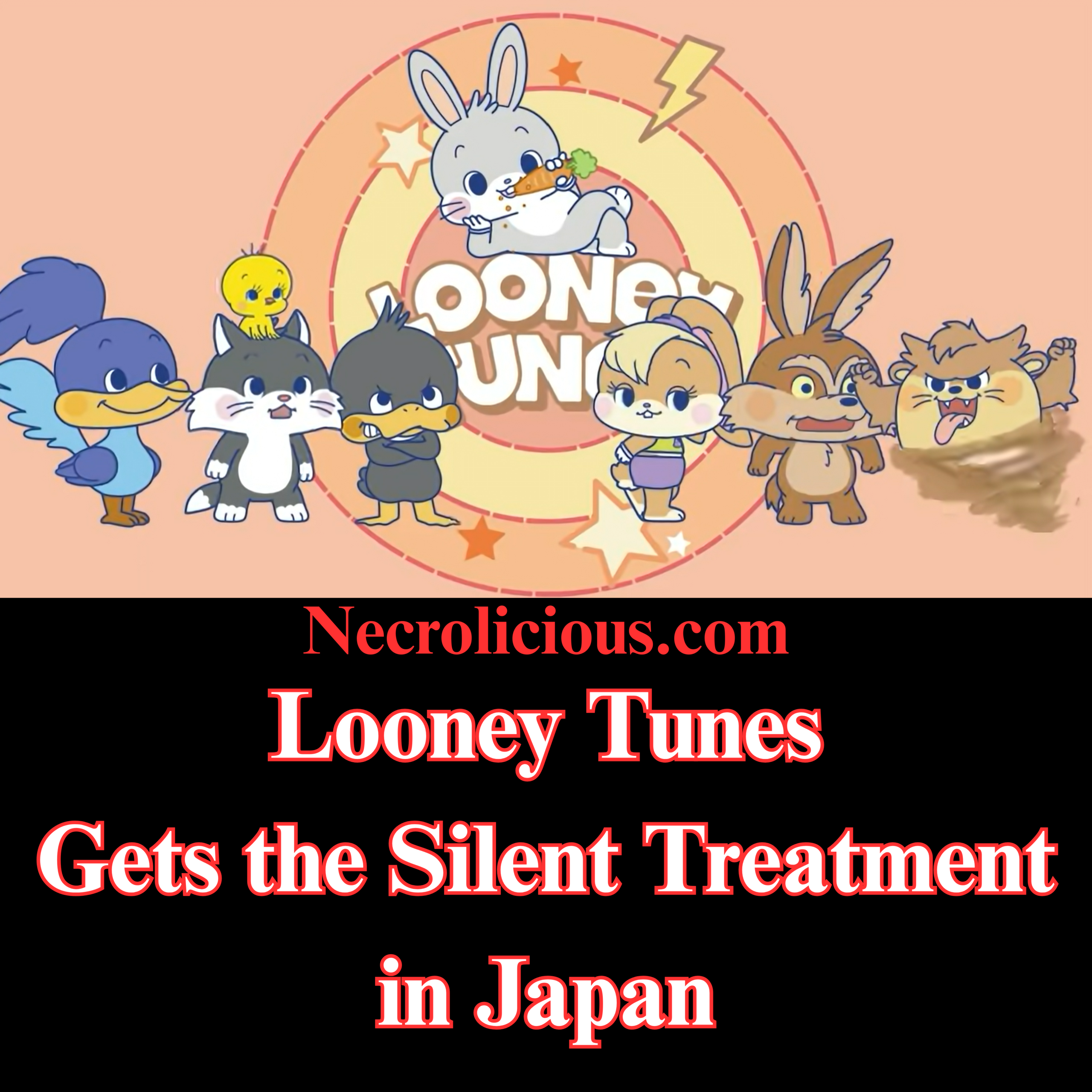
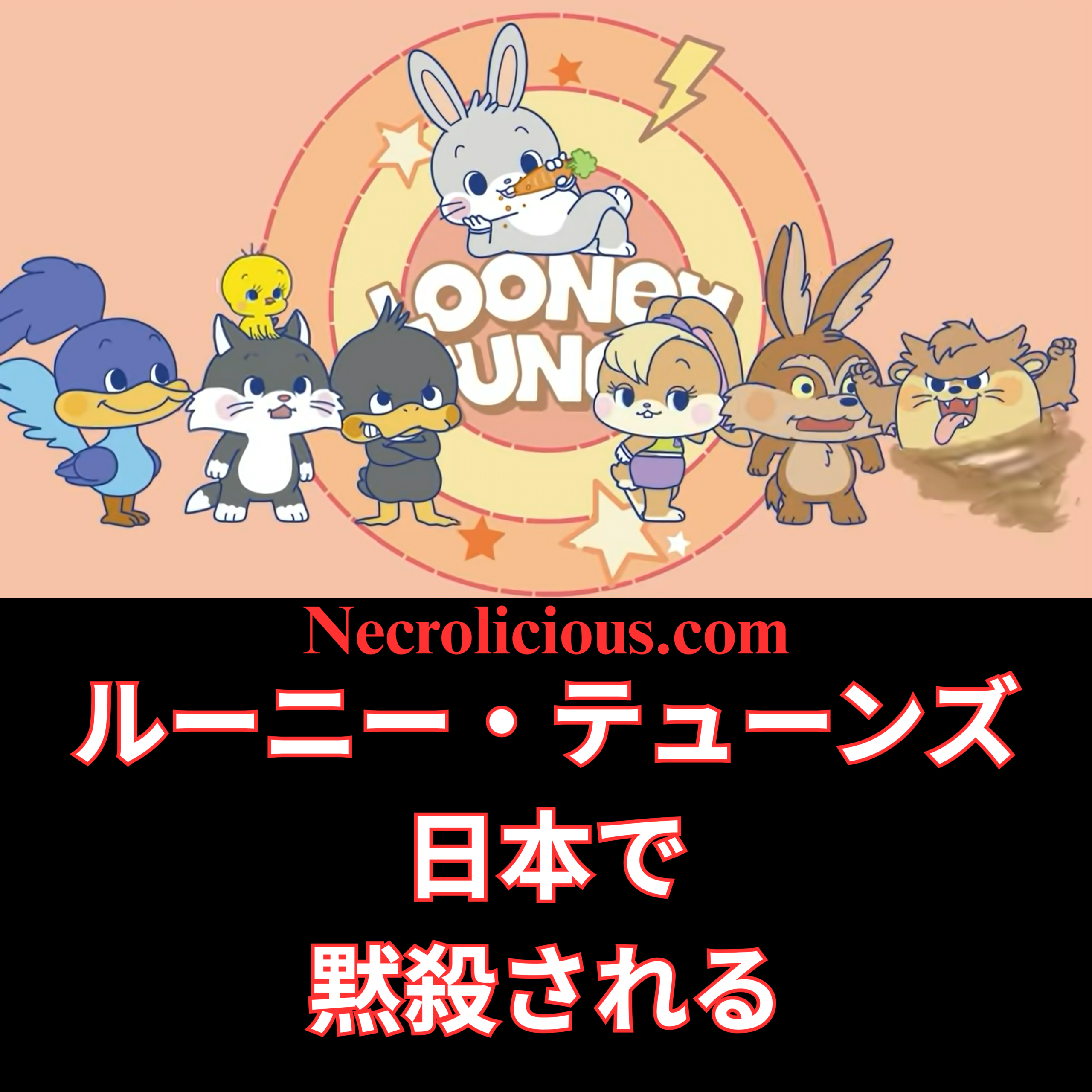
ルーニー・テューンズの名作を長年愛し、日本の文化やアニメにも深い敬意を抱いている私にとって、『ルーニー・テューンズ ごっこ』の登場は、即座に喜ぶというよりは、慎重な考察を促すものだった。2026年4月下旬に日本のYouTubeプラットフォームで公開されたこのセリフのないシリーズは、愛すべきキャラクターたちを「ごっこ」というコンセプトのもと、愛らしいちびキャラ風アニメスタイルで描いている。視覚的には魅力的だが、セリフが完全に排除されているため、原作、日本語、あるいはより広範な文化交流を尊重しているのかどうか、疑問が生じる。本稿では、このプロジェクトのアプローチ、トムとジェリーの翻案作品との比較、そして日本の古典アニメの遺産に対するより広範な影響について、冷静に考察する。

ゴッコ形式とその無音プレゼンテーションを理解する

るーにー・てゅーんずごっこは、ささやき声や笑い声、視覚的なギャグが満載の短いエピソードをお届けします。第1話では、おなじみの「うさぎの季節、アヒルの季節」のシークエンスを、バックス・バニーとダフィー・ダックがスタイリッシュなアニメ風に再解釈しています。ローラ・バニー、トゥイーティー、シルベスター、タスマニアデビル、ロードランナーなどのキャラクターも、同様に穏やかで言葉のない場面に登場します。制作は、親しみやすくセリフのない形式で高い視聴率を獲得した以前のトムとジェリーごっこのモデルに基づいています。

制作者たちはこのシリーズを世界中の視聴者に適した作品として位置づけ、字幕や吹き替えの必要性を排除した。しかし、この選択は、ルーニー・テューンズ全体を長年特徴づけてきた言葉の鋭さから大きく逸脱している。キャラクター主導のユーモアを重視するファンにとって、この沈黙は創造的な進化というよりも、むしろ抑圧のように感じられるかもしれない。

トムとジェリーの静かなる成功とルーニー・テューンズの翻案における課題

トムとジェリーは、日本国内はもちろん、多くの海外市場においても、ルーニー・テューンズよりも長年にわたり高い人気を誇っている。2005年のテレビ朝日による調査では、歴代アニメトップ100に日本以外の作品として唯一ランクインしており、グッズ販売、再放送、そして文化的な記憶における根強い存在感を示している。そのフォーマットは、視覚的なドタバタ劇、追跡劇、そして効果音に完全に依存しており、これらの要素は1940年の最初の短編作品から存在している。そのため、サイレント版のゴッコは、根本的な変更というよりは、自然な延長線上にあるように感じられる。

一方、『ルーニー・テューンズ』は、テンポの良い会話、言葉遊び、そして個性的な声によって独自の地位を築いてきた。バックス・バニーの皮肉な発言、ダフィー・ダックの表情豊かな独り言、そしてその他の言葉の巧みな表現が、その魅力の中核を成していた。セリフを一切排除してしまうと、作品は本来の姿からかけ離れたものになってしまう。この排除は原作から自然に生まれたものではなく、画一的な静けさを強いるものであり、長年のファンがシリーズに抱いてきた混沌としたエネルギーを損なう恐れがある。

このようなアプローチは、地域特有のユーモアや文化的ニュアンスを豊かに表現できる日本語という言語、そして原作の活気に満ちた言葉の伝統を尊重していないように思われる。作品体験をより豊かにする可能性のある日本語の声優演技、スラング、日常的な場面設定を取り入れる代わりに、普遍的なささやき声を選んでいる。そのため、日本のアニメの伝統とアメリカの古典的なカートゥーンの両方を愛するファンを含め、多くのファンが失望している。

より広範な議論:注意、アクセシビリティ、そして潜在的な迎合

対話を完全に排除するという決定は、異文化適応における創造的な選択について、より幅広い議論を巻き起こす。一部の観察者は、コンテンツ制作者が不快感を与えるリスクを最小限に抑えるために言葉を避ける現代のメディアの傾向との類似性を指摘している。エルバート・ハバードは1898年に「道徳的、肉体的な抹殺を免れたいなら、何もせず、何も言わず、何者にもならない」と述べた。しばしば誤って引用されるものの、この言葉は現実的な懸念を捉えている。つまり、過度な慎重さは、内容の乏しい作品を生み出す可能性があるということだ。

この場合、沈黙は、日本の言語的・文化的強みを大胆に受け入れるというよりも、少数ながらも声高に怒りをぶつける「意識高い系」の集団に迎合しているように見えるかもしれない。より統合されたバージョンでは、フル日本語音声、ローカライズされたキャッチフレーズ、日本の日常生活への言及などを盛り込むことができるだろう。そうした努力は、表面的な「かわいい」美学ではなく、真の同化を示すことになるだろう。

日本は過去にルーニー・テューンズの吹き替えや翻案を成功させており、1960年代以降、現地の声優陣がテレビでキャラクターに個性を与えてきた。これらのバージョンは、アメリカの慣用表現を取り入れながらも、作品の機知に富んだユーモアを多く残していた。現在のサイレント版は、こうした歴史や、有意義な文化対話の可能性とは対照的だ。深みや真正性よりも、幅広い層への訴求力とリスク回避を優先しているため、ファンや文化愛好家を遠ざけてしまう。

ルーニー・テューンズDVDセット
楽天で購入

日本における漫画化作品の歴史的・文化的背景

日本の視聴者は、綿密なローカライズを通して、長年にわたり海外のアニメーション作品に親しんできた。初期の放送では、現地の感覚に配慮したキャラクターが登場し、成功した作品では、ネイティブの声優による吹き替えやテーマの調整がしばしば取り入れられた。トムとジェリーはセリフがないため、そのまま海外でも通用し、その地位を揺るぎないものにした。一方、ルーニー・テューンズは、キャラクター主導のコメディが特徴であり、翻訳や吹き替えを創造的に行うことで、その魅力をさらに高めることができた。

ごっこ』のアプローチは技術的には優れているものの、こうした機会を逸している。登場人物全員を無言にすることで、アメリカ発祥の作品と日本の表現豊かな伝統の両方から距離を置いている。これは、キャラクター描写やユーモアを巧みに用いる多くのアニメ作品とは対照的だ。長年のファンはビジュアル面での刷新を評価するかもしれないが、その結果として、1世紀近くにわたってこのフランチャイズを特徴づけてきた魂が失われていると感じるかもしれない。

新作リリースを楽しむファンのための実用的な考慮事項

映像の魅力に惹かれる視聴者は、これらの短編作品を軽快な娯楽として楽しむことができ、特に家族での鑑賞やリラックスした雰囲気での視聴に適しています。しかし、オリジナルの世界観を存分に味わいたい方は、様々なチャンネルで配信されている過去の吹き替え版エピソードを視聴することをお勧めします。吹き替え版は独特のユーモアを保っており、作品の伝統をより深く理解できるでしょう。

このプロジェクトは、グローバルメディアにおける継続的な緊張関係、すなわち普遍的で無難なコンテンツへの傾倒と、個性的な声や文化的特異性の価値との間の葛藤を浮き彫りにしている。ファンは、原作とローカルな創造性の両方に対する信頼を示すべく、日本語のセリフや設定を取り入れた今後の作品を求めるかもしれない。

慎重な見方をすれば、視聴者の反応を注意深く見守る必要があるだろう。シリーズが大きな反響を呼べば、より大胆な続編制作につながる可能性もある。もし視聴者からのフィードバックでキャラクターの個性が失われているという指摘があれば、制作者は沈黙という制約を見直し、より統合的な翻案を目指すべきかもしれない。

Necroliciousの関連記事

よくある質問

ルーニー・テューンズ・ゴッコからセリフが削除されたのはなぜですか?
このフォーマットは、幼い子供や海外の視聴者にとって最大限のアクセシビリティを確保するために、成功を収めたトムとジェリー・ゴッコのモデルを踏襲していますが、セリフに依存するシリーズにとっては課題となります。

沈黙のアプローチは日本文化を尊重していると言えるだろうか?
批評家たちは、日本語を前面に出す機会を逃し、言葉のない普遍性を追求しているため、現地の言語的・文化的強みを十分に尊重していない可能性があると主張している。

これはトムとジェリーの翻案作品と比べてどうでしょうか?
トムとジェリーのオリジナル版は無声なので、ゴッコ版は自然に馴染むのですが、同じ手法をルーニー・テューンズに適用すると、その核となるアイデンティティが損なわれるように感じられます。

今後のバージョンには日本語のセリフが含まれるのでしょうか?
現時点では発表はありませんが、ファンの関心が高まれば、今後のプロジェクトでより文化的に統合されたアプローチが採用される可能性はあります。


NECROLICIOUS「地雷系」 面白いかわいいゴシックエモピンクワンピースを着てるコウモリミームTシャツ

特に記載がない限り、上の画像アセットはオリジナルのコンテンツではなく、著作権や所有権を主張せずに公正使用の教義に基づいて共有されています。クレジットや削除に関する問い合わせは、necrolicious@necrolicious.comまでご連絡ください。

この投稿のスポンサーは。。。俺!サポートいただける方は、俺のオリジナルミームグッズをSUZURIでお買い求めいただくか、アフィリエイトリンクをチェックして他の素敵なアイテムをご覧ください。上記の記事には追加の関連リンクが含まれる場合があります。関連リンクをクリックして登録や購入を行うと、コミッションを獲得する場合があります。これはあなたが製品やサービスに対して支払う価格を上げませんので、あなたに費用がかからずこのウェブサイトをサポートするのに役立ちます。

Share this:

Looney Tunes Gets the Silent Treatment in Japan

この記事の日本語版を読む/Read this article in Japanese

As a lifelong admirer of Looney Tunes classics alongside a deep appreciation for Japanese culture & anime, the emergence of Looney Tunes Gokko prompts cautious reflection rather than immediate celebration. Released in late April 2026 on Japanese YouTube platforms, this dialogue-free series presents the beloved characters in an adorable chibi anime style under the “gokko” (make-believe) concept. While visually charming, the complete removal of spoken language invites scrutiny over whether it honours the source material, the Japanese language or broader cultural exchange. This article offers a measured examination of the project’s approach, its comparison with Tom & Jerry adaptations, & the wider implications for classic cartoon legacies in Japan.

Understanding the Gokko Format & Its Silent Presentation

るーにー・てゅーんず ごっこ delivers short episodes filled with soft murmurs, giggles & visual gags. The debut instalment reinterprets the familiar “rabbit season, duck season” sequence with Bugs Bunny & Daffy Duck in stylised anime form. Additional characters, including Lola Bunny, Tweety, Sylvester, the Tasmanian Devil & the Road Runner, appear in similarly gentle, wordless scenarios. Production draws from the earlier Tom & Jerry Gokko model, which achieved notable viewership through its accessible, dialogue-free format.

Creators position the series as suitable for global audiences, eliminating any need for subtitles or dubbing. Yet this choice represents a significant departure from the verbal sharpness that long defined Looney Tunes as a whole. For enthusiasts who value character-driven wit, the silence can feel less like creative evolution & more like supression.

Tom & Jerry’s Silent Success Versus Looney Tunes Adaptation Challenges

Tom & Jerry has long maintained stronger popularity than Looney Tunes in Japan & many if not most international markets. A 2005 TV Asahi survey ranked it as the only non-Japanese entry in the top 100 anime of all time, reflecting its enduring presence in merchandise, reruns & cultural memory. Its format relies entirely on visual slapstick, chases & sound effects — elements present from the very first shorts in 1940. The silent Gokko version thus feels like a natural extension rather than a fundamental alteration.

Looney Tunes, by contrast, built its identity on rapid dialogue, puns & distinctive voices. Bugs Bunny’s wry remarks, Daffy Duck’s expressive rants & other verbal flourishes formed the core of its appeal. Removing all spoken language creates content that feels distinctly removed from its origins. This excision does not emerge organically from the source material but imposes a uniform quietness that risks diminishing the chaotic energy longtime fans associate with the series.

Such an approach appears to respect neither the Japanese language — with its rich potential for localised humour & cultural nuance — nor the vibrant verbal tradition of the originals. Instead of integrating Japanese voice acting, slang or everyday settings that could enrich the experience, the production opts for universal murmurs. This leaves many enthusiasts, including those who cherish both Japanese anime traditions & classic American cartoons, disappointed.

The Broader Debate: Caution, Accessibility & Potential Pandering

The decision to excise dialogue entirely invites wider discussion about creative choices in cross-cultural adaptations. Some observers note parallels with contemporary media tendencies where content creators avoid spoken words to minimise any risk of offence. As Elbert Hubbard observed in 1898, “If you would escape moral and physical assassination, do nothing, say nothing, be nothing.” Though often misattributed, the sentiment captures a real concern: excessive caution can result in works of little substance.

In this instance, the silence may verge on pandering to small but loud outrage-addicted woke crowd rather than boldly embracing Japanese linguistic & cultural strengths. A more integrated version could feature full Japanese voice acting, localised catchphrases & references to daily life in Japan. Such an effort would demonstrate genuine assimilation instead of surface-level kawaii aesthetics.

Japan has successfully dubbed & adapted Looney Tunes in the past, with local voice talents bringing personality to the characters on television since the 1960s. Those versions preserved much of the wit even when adapting American idioms. The current silent direction contrasts with that history & with the potential for meaningful cultural dialogue. It prioritises broad, risk-averse accessibility over depth or authenticity, which alienates fans & cultural enthusiasts alike.

Looney Tunes DVD Box Set
Buy on Rakuten Japan

Historical & Cultural Context of Cartoon Adaptations in Japan

Japanese audiences have long engaged with foreign cartoons through thoughtful localisation. Early broadcasts introduced characters with care for local sensibilities, & successful examples often incorporated native voice work or thematic adjustments. Tom & Jerry’s wordless nature allowed seamless travel, reinforcing its status without alteration. Looney Tunes, however, thrived on personality-driven comedy that translation & dubbing could enhance when handled creatively.

The Gokko approach, while technically competent, sidesteps these opportunities. By making all characters silent, it creates distance from both the American origins & Japanese expressive traditions. This stands in contrast to many anime productions that confidently use dialogue to build character & humour. Longtime fans may appreciate the visual redesign yet feel the result lacks the soul that made the franchise distinctive for very close to a century.

Practical Considerations for Fans Navigating the New Release

Viewers drawn to the visual charm can enjoy the shorts as light entertainment, particularly for family settings or relaxed viewing. However, those seeking the full original experience would do well to revisit older dubbed episodes available through various channels. These retain the verbal comedy & offer a more satisfying connection to the legacy.

The project highlights ongoing tensions in global media: the pull toward universal, inoffensive content versus the value of distinctive voices & cultural specificity. Fans might advocate for future iterations that incorporate Japanese dialogue & settings, demonstrating confidence in both the source material & local creativity.

A cautious outlook suggests monitoring audience reception. If the series achieves strong engagement, it may encourage bolder follow-ups. Should feedback highlight the loss of personality, creators might reconsider the silent constraint in favour of more integrated adaptations.

Related Reads on Necrolicious

FAQ

Why was dialogue removed from Looney Tunes Gokko?
The format follows the successful Tom & Jerry Gokko model to ensure maximum accessibility for young children & international viewers, though this creates challenges for a dialogue-dependent series.

Does the silent approach respect Japanese culture?
Critics argue it misses an opportunity to feature the Japanese language prominently, opting instead for wordless universality that may not fully honour local linguistic or cultural strengths.

How does this compare with Tom & Jerry adaptations?
Tom & Jerry’s original silence makes the Gokko version a natural fit, whereas applying the same treatment to Looney Tunes feels more disruptive to its core identity.

Will future versions include Japanese dialogue?
No announcements exist at present, but fan interest could encourage more culturally integrated approaches in subsequent projects.


Necrolicious “地雷系” Funny Jirai Kei Bat Meme 100% Cotton Unisex Tee

Unless otherwise noted, image assets above are NOT original content & are shared under fair use doctrine with NO claims to authorship or ownership.
Contact necrolicious@necrolicious.com for credit or removal.

This post was sponsored by…ME! If you’d like to support, please buy my original meme merchandise or check out my affiliate links to get yourself some other cool things. Additional affiliate links may be contained in the above article. If you click on an affiliate link & sign up/make a purchase, I may earn a commission. This does not increase the price you pay for the product or service, so it helps support this website at no cost to you.

Share this: