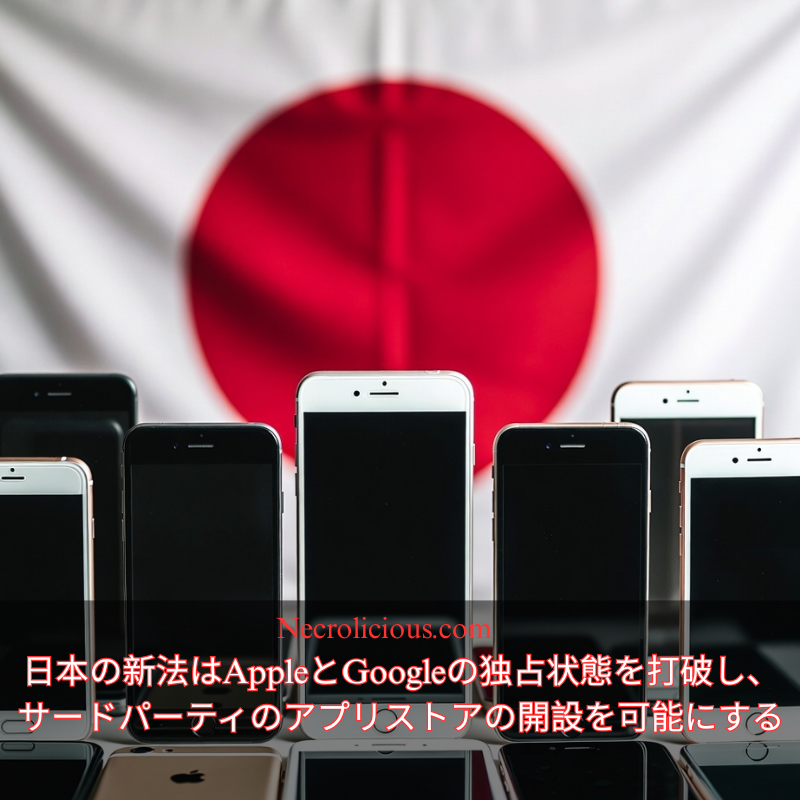
In a significant move to foster competition in the digital marketplace, Japan’s Fair Trade Commission has announced that a landmark law will take effect on 18 December 2025. This legislation targets the longstanding dominance of global tech giants such as Apple & Google over smartphone ecosystems, aiming to empower consumers with enhanced options for app stores, web browsers & search engines. As the nation continues to solidify its position as a leader in mobile technology innovation, this development signals a proactive stance on regulating Big Tech while balancing the need for user security.
Breaking the Monopoly: What the Law Entails
At its core, the new regulations prohibit companies like Apple & Google from restricting access to third-party app stores on iOS & Android devices sold in Japan. Previously, users were largely confined to the official App Store for iPhones or the Google Play Store for Android phones, limiting choices & potentially stifling innovation from smaller developers. Under the updated framework, these firms must permit alternative distribution channels, opening the door for independent app marketplaces to thrive.
Beyond app stores, the law extends its reach to default services. For the first time, new smartphone users — & those updating their operating systems — will encounter prompts offering multiple selections for web browsers & search engines. This means an end to the automatic preselection of Safari or Chrome as defaults, or Google Search as the primary engine, providing greater flexibility tailored to individual preferences.
The Fair Trade Commission emphasises that these changes are designed to “improve convenience by encouraging new market entrants.” By levelling the playing field, the authority anticipates a surge in diverse offerings, from localised apps optimised for Japan’s unique digital landscape to innovative tools that cater to specific user needs, such as enhanced privacy features or seamless integration with domestic services.
The Broader Implications for Consumers & the Tech Sector
For everyday smartphone users in Japan, the immediate benefits could include access to a wider array of applications without the barriers imposed by proprietary ecosystems. Developers, too, stand to gain: reduced reliance on dominant platforms may lower commission fees — often as high as 30% — allowing for more affordable apps & faster iteration on user feedback. In a market where mobile penetration exceeds 90%, this could accelerate the adoption of cutting-edge technologies, including AI-driven tools & augmented reality experiences that align with Japan’s forward-thinking tech culture.
However, the transition is not without challenges. Public comments submitted to the Fair Trade Commission have highlighted legitimate concerns over user security. Critics argue that third-party app stores might introduce vulnerabilities, such as unvetted software or inconsistent data protection standards, potentially exposing users to malware or privacy breaches. The commission acknowledges these risks & has committed to ongoing monitoring, with provisions for swift enforcement against non-compliant entities. To mitigate these issues, the law includes safeguards requiring all app distributors to adhere to rigorous certification processes, ensuring that security remains paramount.
This balanced approach reflects Japan’s regulatory philosophy: promoting fair competition without compromising the trust that underpins its world-class digital infrastructure. As one of Asia’s largest economies, Japan’s actions could serve as a model for other nations grappling with similar antitrust dilemmas in the smartphone sector.
A Step Towards a More Inclusive Digital Future
The enactment of this law on 18 December marks a pivotal moment in Japan’s efforts to democratise access to technology. By challenging the status quo, it not only enhances consumer choice but also invigorates the local tech ecosystem, fostering innovation that benefits developers, businesses & users alike. While security concerns warrant vigilant oversight, the potential rewards — a more dynamic, user-centric mobile landscape — are substantial.
As the implementation unfolds, stakeholders will watch closely to assess its real-world impact. For now, this legislation underscores Japan’s commitment to an open & equitable digital economy, one where choice drives progress.
Unless otherwise noted, image assets above are NOT original content & are shared under fair use doctrine with NO claims to authorship or ownership. Contact necrolicious@necrolicious.com for credit or removal.
This post was sponsored by…ME! If you’d like to support, please buy my original meme merchandise or check out my affiliate links to get yourself some other cool things. Additional affiliate links may be contained in the above article. If you click on an affiliate link & sign up/make a purchase, I may earn a commission. This does not increase the price you pay for the product or service, so it helps support this website at no cost to you.
If you would like to support my work more directly, I accept voluntary cryptocurrency donations in BTC, ETH, XRP & XLM sent directly to necrolicious.x. necrolicious.x is an Unstoppable Domains name that resolves to the wallet addresses I have configured. Simply enter necrolicious.x as the recipient in a supported wallet (such as Trust Wallet, Blockchain.com or others that support Unstoppable Domains). Donation Disclaimer: All cryptocurrency donations sent to me are final, voluntary gifts & are non-refundable & irreversible. These donations are not tax-deductible since I am not a registered charitable organization, & no tax receipts will be issued. No memo or destination tag is required for XRP or XLM donations, as the domain resolves directly to a wallet address. By sending a donation you acknowledge & accept all associated risks, including cryptocurrency price volatility, network fees & potential loss of funds due to incorrect network selection or transaction errors. I am not responsible or liable for any loss related to your donation. No goods, services or other benefits are provided in exchange for donations. This is not financial, tax, legal or investment advice. Please consult a qualified professional regarding any implications of your donation.
It’s nearly 2026, but my 2019 Samsung Galaxy S10 remains in daily use. Why? It was part of the final mainline Galaxy S lineup to ever include a microSD card slot. For me & countless other Android enthusiasts, this single feature represented genuine freedom: expandable storage that could be upgraded or replaced for pennies compared to the ever-escalating cost of built-in memory. When Samsung dropped the slot with the Galaxy S20 in 2020 & every flagship since, many of us felt the industry was simply copying Apple’s long-standing refusal to offer expandable storage on any iPhone. We warned that removing this incalculably beneficial feature would be bad for business – & now, in late 2025, it appears that prediction is proving more correct than ever. Soaring DRAM prices are pushing manufacturers to the limit, & the latest supply-chain intelligence strongly suggests that microSD card slots are being seriously reconsidered for future flagship devices. The feature we refused to surrender may be on the verge of a full-scale return.
In an era where smartphone storage demands continue to escalate, the prospect of expandable memory options returning to flagship devices has sparked considerable interest among consumers & industry observers alike. Recent reports suggest that surging prices for DRAM – the core component in device memory – may compel leading manufacturers to reinstate the microSD card slot, a feature absent from premium handsets for over six years. This potential revival could alleviate the financial burden on buyers facing ever-higher costs for internal storage upgrades, offering a more flexible & cost-effective alternative.
The Surge in DRAM Prices: A Catalyst for Change
Dynamic Random Access Memory (DRAM) forms the backbone of smartphone storage, enabling the seamless multitasking & high-resolution media handling that modern users expect. However, global supply constraints have driven DRAM prices to unprecedented levels, with shortages projected to endure until at least the fourth quarter of 2027. Analysts note that prices for 12GB LPDDR5X components – essential for contemporary flagships – have more than doubled, climbing from $33 at the year’s outset to $70 per unit.
This escalation stems from broader semiconductor challenges, including production bottlenecks & heightened demand from data centres & AI applications. Even established players like Samsung have prioritised profitability over internal supply chains, reportedly declining bulk memory requests from their own mobile division in favour of quarterly contracts. As a result, manufacturers face mounting pressure to maintain competitive pricing without eroding margins, prompting a reevaluation of longstanding design choices.
With DRAM costs showing no signs of abating through 2026, reinstating microSD slots emerges as a pragmatic response for manufacturers. By enabling consumers to purchase entry-level storage models & augment them with high-capacity cards, brands can mitigate the need for across-the-board price hikes. This strategy not only preserves shipment volumes but also appeals to value-driven buyers, fostering loyalty in a saturated market.
Emerging standards like microSD Express further bolster the case, promising read & write speeds exceeding 800 MB/s – on par with internal SSDs. Samsung’s own 512 GB P9 Express card, available for around $75, exemplifies this evolution, delivering rapid transfers without the performance bottlenecks of older formats. Chinese supply chain whispers indicate that new flagships slated for the latter half of 2026 could integrate these slots.
Such a revival would democratise access to ample storage, empowering photographers, videographers, & power users to sidestep the escalating cost of built-in memory.
Looking Ahead: A More Inclusive Storage Landscape
Your trusty Galaxy S10 might soon stop being the last of its kind. As smartphone innovation accelerates, the rumoured return of microSD slots signals a potential recalibration towards consumer-centric design. The flexibility many of us miss may soon enhance the devices of tomorrow.
Unless otherwise noted, image assets above are NOT original content & are shared under fair use doctrine with NO claims to authorship or ownership. Contact necrolicious@necrolicious.com for credit or removal.
This post was sponsored by…ME! If you’d like to support, please buy my original meme merchandise or check out my affiliate links to get yourself some other cool things. Additional affiliate links may be contained in the above article. If you click on an affiliate link & sign up/make a purchase, I may earn a commission. This does not increase the price you pay for the product or service, so it helps support this website at no cost to you.
If you would like to support my work more directly, I accept voluntary cryptocurrency donations in BTC, ETH, XRP & XLM sent directly to necrolicious.x. necrolicious.x is an Unstoppable Domains name that resolves to the wallet addresses I have configured. Simply enter necrolicious.x as the recipient in a supported wallet (such as Trust Wallet, Blockchain.com or others that support Unstoppable Domains). Donation Disclaimer: All cryptocurrency donations sent to me are final, voluntary gifts & are non-refundable & irreversible. These donations are not tax-deductible since I am not a registered charitable organization, & no tax receipts will be issued. No memo or destination tag is required for XRP or XLM donations, as the domain resolves directly to a wallet address. By sending a donation you acknowledge & accept all associated risks, including cryptocurrency price volatility, network fees & potential loss of funds due to incorrect network selection or transaction errors. I am not responsible or liable for any loss related to your donation. No goods, services or other benefits are provided in exchange for donations. This is not financial, tax, legal or investment advice. Please consult a qualified professional regarding any implications of your donation.
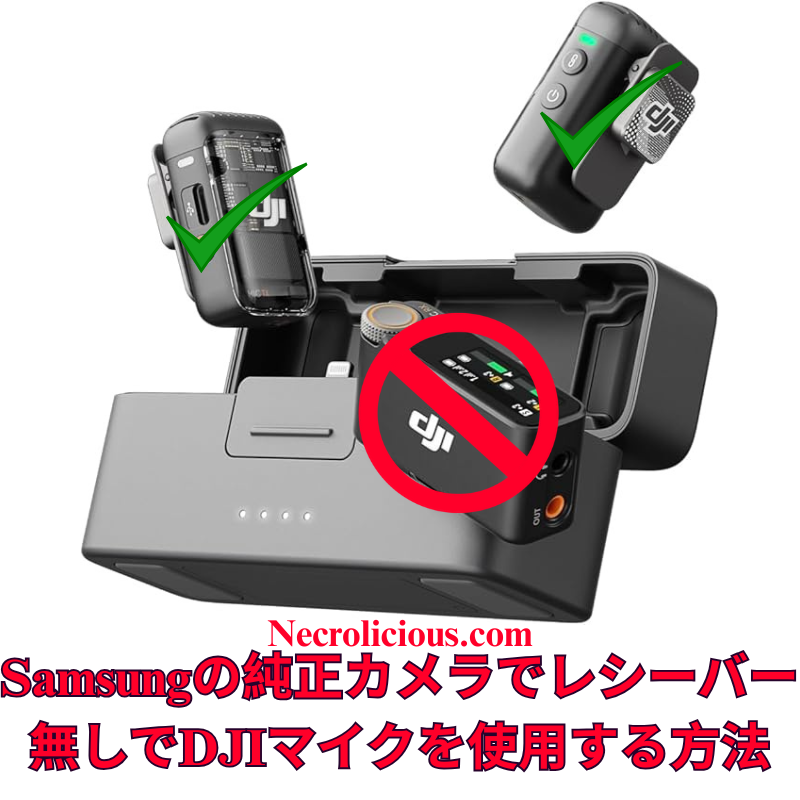
ついこの間まで、俺は「DJI Mic を受信機なしで使う方法」を記事&動画で紹介していました。 ところがここ数週間、特にYouTubeで多くのクリエイターが「DJIがこっそり出した“秘密のモバイル受信機”」に大騒ぎしています。スマホ撮影向けに静かに発売されたこのアイテム、頻繁に完売しており、メルカリなどで法外な転売価格で取引されている状況です。
広範なオンライン調査とテストを経て、DJI Mic 2をSamsung Galaxyデバイスのネイティブカメラアプリケーションにワイヤレスで接続することが、他のプラットフォームに比べて格段に簡単であることを確認しました。iOSではカメラアプリでのBluetoothオーディオ入力が制限されていますが、SamsungのOne UIでは、標準のカメラアプリのプロビデオモード内で外部Bluetoothマイクを直接選択できます。これにより、サードパーティ製アプリや追加のアダプターが不要となり、高品質なオーディオを求めるクリエイターにとって、余分な機器なしでシームレスなソリューションを提供します。この方法は、Samsung Galaxyの最新モデル(S23およびS24シリーズ)でDJI Mic 2のトランスミッターを直接使用してテストおよび検証済みです。この方法は他のブランドのBluetoothマイクでも機能する可能性がありますが、DJI Mic MiniやMic 3などの代替品についてはテストしていません。他のBluetoothマイクで試した場合は、コメント欄で結果を共有してください。
この方法の価値
DJI Mic 2は、32ビットフロート内部録音やインテリジェントノイズキャンセリングなどの優れたオーディオ品質を提供します。しかし、レシーバーはモバイルビデオ制作において不要なコストと複雑さを追加します。SamsungのプロビデオモードでのBluetoothマイクのネイティブサポートは、コスト効果が高く、持ち運びが簡単で、プロフェッショナルなオーディオ基準を維持するソリューションを提供し、クリエイターの録音プロセスを簡素化します。
DJI Mic 2をレシーバーなしでビデオ録画するためのステップごとのガイド
DJI Mic 2をBluetoothで接続する: DJI Mic 2トランスミッターの電源を入れます。録音ボタン(リンクボタン)を3秒間長押しし、ステータスインジケーターが青く点滅してBluetoothペアリングモードに入るのを確認します。Samsung Galaxyデバイスで、設定 > 接続 > Bluetoothに移動し、Bluetoothが有効になっていることを確認し、利用可能なデバイスリストから「DJI Mic 2」(ヘッドセットまたはマイクとして表示される場合があります)を選択します。ペアリングのプロンプトを承認します。接続が完了すると、インジケーターが青く点灯します。
DJI Mic 2をオーディオ入力として選択する: プロビデオモードで、画面右側の録画ボタンの上または近くにあるオーディオ設定アイコン(通常はマイクのシンボル)を探します。それをタップしてオーディオソースメニューにアクセスします。「Bluetooth」または「外部マイク」を選択(DJI Mic 2が直接表示される場合があります)。必要に応じて内部マイクを無効にしてください。アプリはこれでDJI Mic 2からのオーディオを使用します。
ビデオを録画する: 解像度、フレームレート、露出などのビデオパラメータを必要に応じて調整します。録画ボタンを押してビデオ撮影を開始します。DJI Mic 2はワイヤレスで高品質なオーディオを映像と同期して録音します。オーディオレベルと明瞭さを確認するために、短いテストクリップを録画することをお勧めします。
仕組み
SamsungのOne UIは、AndroidのBluetoothオーディオフレームワークを基盤としており、プロビデオモードでiOSに見られる制限なしに外部マイク入力をサポートします。ペアリングが完了すると、DJI Mic 2は標準のBluetoothオーディオデバイスとして機能し、プロビデオモードでは入力ソースを明示的に選択できます。これにより、追加のソフトウェアやハードウェアを必要とせずに、ネイティブアプリ内でリアルタイムのワイヤレスオーディオキャプチャが実現します。
追加のガイダンス
ゲイン調整: 録画前にDJI Mic 2のタッチスクリーンまたはDJI Mimoアプリ(インストールされている場合)を使用してゲイン設定を調整します。さまざまな環境で最適なオーディオレベルを確認するためにテストクリップを録画することをお勧めします。
ファームウェアおよびソフトウェアのアップデート: DJI Mimoアプリを通じてDJI Mic 2のファームウェアを最新に保ち、Samsung Galaxyデバイスが最新のAndroid/One UIバージョンを実行していることを確認して、接続の問題を防ぎます。
この方法により、クリエイターはSamsungのネイティブカメラアプリを使用して、DJI Mic 2でプロフェッショナルグレードのビデオとオーディオをレシーバーなしでキャプチャできます。あなたのGalaxyデバイスでこの方法を試しましたか?または別のソリューションを発見しましたか?コメントでフィードバックを共有し、志望するビデオグラファーを支援するためにこのガイドを広めてください。
完全なセットアップを希望する場合は、レシーバーを含むフルDJI Mic 2キットがより幅広い互換性を確保します。最近のMic 3のリリースに伴い、Mic 2の価格は過去最低レベルに達しており、購入を検討する絶好の機会です。
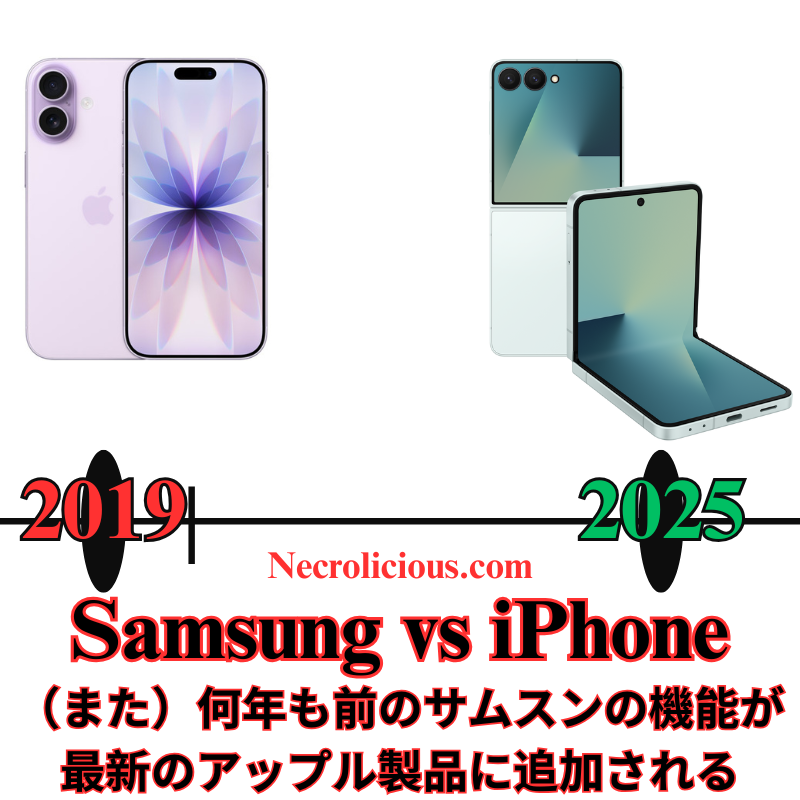
Appleは、AirPods Pro 3の心拍数トラッキング&Apple Watch Series 11の血圧モニタリングを含む健康重視のアップデートを披露しました。AirPods Pro 3の心拍数センサーは、赤外線を使用して血流を測定し、フィットネスアプリと同期して50種類以上のワークアウトを追跡します。一方、Apple Watch Series 11は高血圧検出&スリープスコア機能(FDA承認待ち)を導入しています。Apple Watch Ultra 3は衛星接続&高速充電を追加し、価格は749ドルから始まります。しかし、サムスンはこれらの健康機能を長年提供しています。Galaxy Buds(Buds3 Proなど)は、2024年の発売以来、特にS24やZ Fold6などの互換デバイスとペアリングした場合、心拍数モニタリングを搭載しています。サムスンのGalaxy Watchシリーズ(2025年のGalaxy Watch7を含む)は、Galaxy Watch4(2021)以来、血圧モニタリング&詳細なスリープスコアを含む睡眠追跡を提供しており、一部のモデルはAppleのFDA承認計画よりかなり前にこれらの機能でFDA承認を受けています。さらに、サムスンのウェアラブルはSamsung Healthアプリと統合されており、Appleのエコシステムロックされたアプローチとは異なり、非サムスンAndroidデバイスを含む幅広いエコシステム互換性を提供します。
アクティブノイズキャンセリング&オーディオ品質
AppleはAirPods Pro 3のアクティブノイズキャンセリング(ANC)を強調し、AirPods Pro 2の2倍、初代AirPods Proの4倍のノイズ除去を主張しています。イヤホンはフィット感を向上させる更新されたデザイン&強化された空間オーディオも備えています。しかし、サムスンのGalaxy Buds3 Proは、2024年の発売以来、警報やサイレンなどの環境音に適応する適応型ノイズキャンセリングを提供しています。Buds3 Proは、互換デバイスでBluetooth経由で最大24ビット/96kHzをサポートする2ウェイスピーカー&平面磁気ツイーターを備え、Appleの空間オーディオ機能に匹敵するか、それを上回る機能を備えています。
Appleはイベントで折り畳み式iPhoneを発表しませんでしたが、iPhone Airの超薄型デザインは、2026年にサムスンのGalaxy Z Foldシリーズに似たブックスタイルの折り畳み式iPhoneの舞台を設定するとアナリストは示唆しています。サムスンは2019年のGalaxy Fold以来、折り畳み式スマートフォンで先駆者であり、2025年までに7世代の改良を重ねています。2025年半ばに発売されたGalaxy Z Fold7&Z Flip7は、耐久性のあるヒンジ、7.8インチのインナーディスプレイ(Fold)、&Galaxy AIを搭載した高度なマルチタスク機能を備えています。サムスンの折り畳み式デバイスは、Appleの噂される折り畳み式がようやく取り組もうとしている、より大きく、汎用性の高いディスプレイ&生産性機能を提供してきました。
サムスンジャパンの最近の投稿では、「新製品」という言葉が使用され、星の光を放つ輝く六角形のボックスのクールな画像が添えられています。「品」という文字は具体的な商品を指すため、このイベントではAIソフトウェアの改良だけでなく、新たなハードウェアが披露される可能性が高いです。これは、2025年7月のUnpackedイベントで発表されたGoogleのGemini AIを搭載したGalaxy Z Fold7およびFlip7のアップグレードとも関連していますが、「新製品」という表現から、Galaxy S25 FEや地域限定モデルなどのデバイスが注目を集める可能性があります。アップルの秋の発売直前に開催されるこのイベントは、AIを活用した手頃な価格のハードウェアを発表する戦略的な動きと言えるでしょう。サムスンの公式チャンネルでライブ配信をお見逃しなく!新しいカメラ機能、マルチタスク性能の向上、その他のハードウェアの魅力が期待されます。
注目の大型イベント:2025年9月29日
ZDNetやGSMArenaの噂によると、9月29日に大規模なUnpackedイベントが開催され、トリフォールドフォン、XRヘッドセット、AIスマートグラスが発表される可能性があります。このラインナップは、アップルのVision Proや2024年9月に発表されたファーウェイのMate XTと競合するものです。デュアルヒンジデザインとSnapdragon XR2+ Gen 2チップを搭載したMicro OLEDパネルを備えたトリフォールドフォンやXRヘッドセットは、フォルダブルデバイスやミックスドリアリティを再定義する可能性があります。さらにAIスマートグラスが加わり、ウェアラブル技術の祭典となるでしょう!GSMArenaの情報では、トリフォールドは限定生産となり、Z Fold7を上回らないよう慎重に展開されるようです。グローバルなライブ配信が予定されており、最先端のガジェットに興奮を誘うデモが盛り込まれる予定です。
2つのイベントの戦略的理由
なぜ2つのイベントなのか?9月4日のイベントは、AIを強化した新たなハードウェア製品に焦点を当て、サムスンの「AI for All」のスローガンや2024年CESでのAI家電展示を反映するものと思われます。一方、9月29日のイベントは、フラッグシップハードウェアの発表に適した秋の技術シーズンに合わせて、最高峰のイノベーションを披露する予定です。この二段構えのアプローチにより、サムスンは異なるターゲット層—今はミッドレンジや地域向け製品、後に最高級のイノベーション—に対応し、競争をリードします。
Registers a unique ID on mobile devices to enable tracking based on geographical GPS location.
1 day
VISITOR_INFO1_LIVE
Tries to estimate the users' bandwidth on pages with integrated YouTube videos. Also used for marketing
179 days
PREF
This cookie stores your preferences and other information, in particular preferred language, how many search results you wish to be shown on your page, and whether or not you wish to have Google’s SafeSearch filter turned on.
10 years from set/ update
YSC
Registers a unique ID to keep statistics of what videos from YouTube the user has seen.
Session
DEVICE_INFO
Used to detect if the visitor has accepted the marketing category in the cookie banner. This cookie is necessary for GDPR-compliance of the website.
179 days
LOGIN_INFO
This cookie is used to play YouTube videos embedded on the website.