この記事の日本語版を読む/Read this article in Japanese
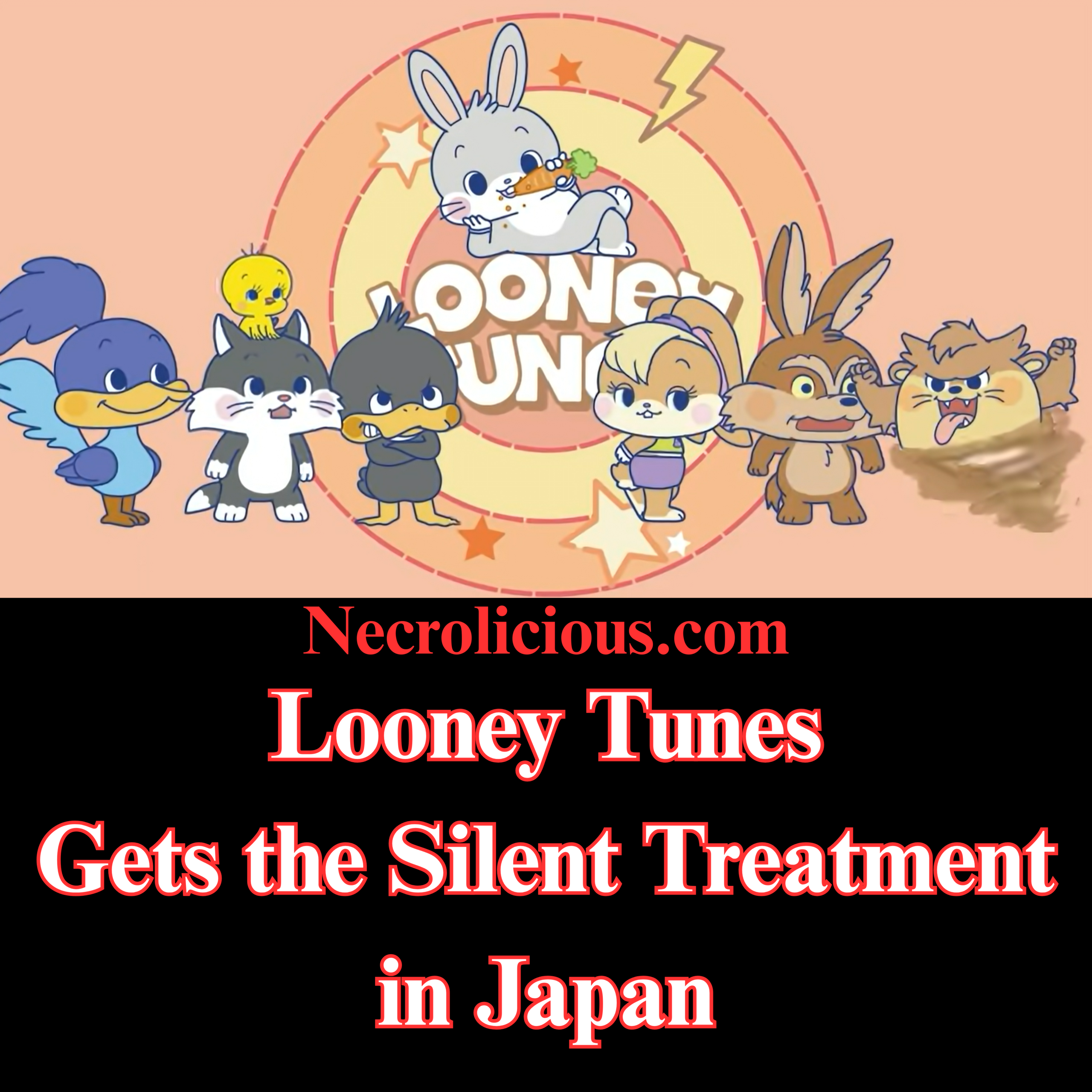
As a lifelong admirer of Looney Tunes classics alongside a deep appreciation for Japanese culture & anime, the emergence of Looney Tunes Gokko prompts cautious reflection rather than immediate celebration. Released in late April 2026 on Japanese YouTube platforms, this dialogue-free series presents the beloved characters in an adorable chibi anime style under the “gokko” (make-believe) concept. While visually charming, the complete removal of spoken language invites scrutiny over whether it honours the source material, the Japanese language or broader cultural exchange. This article offers a measured examination of the project’s approach, its comparison with Tom & Jerry adaptations, & the wider implications for classic cartoon legacies in Japan.
Understanding the Gokko Format & Its Silent Presentation
るーにー・てゅーんず ごっこ delivers short episodes filled with soft murmurs, giggles & visual gags. The debut instalment reinterprets the familiar “rabbit season, duck season” sequence with Bugs Bunny & Daffy Duck in stylised anime form. Additional characters, including Lola Bunny, Tweety, Sylvester, the Tasmanian Devil & the Road Runner, appear in similarly gentle, wordless scenarios. Production draws from the earlier Tom & Jerry Gokko model, which achieved notable viewership through its accessible, dialogue-free format.
Creators position the series as suitable for global audiences, eliminating any need for subtitles or dubbing. Yet this choice represents a significant departure from the verbal sharpness that long defined Looney Tunes as a whole. For enthusiasts who value character-driven wit, the silence can feel less like creative evolution & more like supression.
Tom & Jerry’s Silent Success Versus Looney Tunes Adaptation Challenges
Tom & Jerry has long maintained stronger popularity than Looney Tunes in Japan & many if not most international markets. A 2005 TV Asahi survey ranked it as the only non-Japanese entry in the top 100 anime of all time, reflecting its enduring presence in merchandise, reruns & cultural memory. Its format relies entirely on visual slapstick, chases & sound effects — elements present from the very first shorts in 1940. The silent Gokko version thus feels like a natural extension rather than a fundamental alteration.
Looney Tunes, by contrast, built its identity on rapid dialogue, puns & distinctive voices. Bugs Bunny’s wry remarks, Daffy Duck’s expressive rants & other verbal flourishes formed the core of its appeal. Removing all spoken language creates content that feels distinctly removed from its origins. This excision does not emerge organically from the source material but imposes a uniform quietness that risks diminishing the chaotic energy longtime fans associate with the series.
Such an approach appears to respect neither the Japanese language — with its rich potential for localised humour & cultural nuance — nor the vibrant verbal tradition of the originals. Instead of integrating Japanese voice acting, slang or everyday settings that could enrich the experience, the production opts for universal murmurs. This leaves many enthusiasts, including those who cherish both Japanese anime traditions & classic American cartoons, disappointed.
The Broader Debate: Caution, Accessibility & Potential Pandering
The decision to excise dialogue entirely invites wider discussion about creative choices in cross-cultural adaptations. Some observers note parallels with contemporary media tendencies where content creators avoid spoken words to minimise any risk of offence. As Elbert Hubbard observed in 1898, “If you would escape moral and physical assassination, do nothing, say nothing, be nothing.” Though often misattributed, the sentiment captures a real concern: excessive caution can result in works of little substance.
In this instance, the silence may verge on pandering to small but loud outrage-addicted woke crowd rather than boldly embracing Japanese linguistic & cultural strengths. A more integrated version could feature full Japanese voice acting, localised catchphrases & references to daily life in Japan. Such an effort would demonstrate genuine assimilation instead of surface-level kawaii aesthetics.
Japan has successfully dubbed & adapted Looney Tunes in the past, with local voice talents bringing personality to the characters on television since the 1960s. Those versions preserved much of the wit even when adapting American idioms. The current silent direction contrasts with that history & with the potential for meaningful cultural dialogue. It prioritises broad, risk-averse accessibility over depth or authenticity, which alienates fans & cultural enthusiasts alike.

Historical & Cultural Context of Cartoon Adaptations in Japan
Japanese audiences have long engaged with foreign cartoons through thoughtful localisation. Early broadcasts introduced characters with care for local sensibilities, & successful examples often incorporated native voice work or thematic adjustments. Tom & Jerry’s wordless nature allowed seamless travel, reinforcing its status without alteration. Looney Tunes, however, thrived on personality-driven comedy that translation & dubbing could enhance when handled creatively.
The Gokko approach, while technically competent, sidesteps these opportunities. By making all characters silent, it creates distance from both the American origins & Japanese expressive traditions. This stands in contrast to many anime productions that confidently use dialogue to build character & humour. Longtime fans may appreciate the visual redesign yet feel the result lacks the soul that made the franchise distinctive for very close to a century.
Practical Considerations for Fans Navigating the New Release
Viewers drawn to the visual charm can enjoy the shorts as light entertainment, particularly for family settings or relaxed viewing. However, those seeking the full original experience would do well to revisit older dubbed episodes available through various channels. These retain the verbal comedy & offer a more satisfying connection to the legacy.
The project highlights ongoing tensions in global media: the pull toward universal, inoffensive content versus the value of distinctive voices & cultural specificity. Fans might advocate for future iterations that incorporate Japanese dialogue & settings, demonstrating confidence in both the source material & local creativity.
A cautious outlook suggests monitoring audience reception. If the series achieves strong engagement, it may encourage bolder follow-ups. Should feedback highlight the loss of personality, creators might reconsider the silent constraint in favour of more integrated adaptations.
Related Reads on Necrolicious
- Tokyo’s anime culture meets gaming events: Final Fantasy VII’s Tifa’s Seventh Heaven re-created in real life
- Vampire gaming history & Castlevania ties: Dracula author Bram Stoker’s family provides blessing to a video game for the first time
- Tech drops & gaming hardware: Valve’s new Steam controller sells out in 30 minutes
- Creator tools & tech upgrades: Why the DJI Mic 3 upgrade led to regret
FAQ
Why was dialogue removed from Looney Tunes Gokko?
The format follows the successful Tom & Jerry Gokko model to ensure maximum accessibility for young children & international viewers, though this creates challenges for a dialogue-dependent series.
Does the silent approach respect Japanese culture?
Critics argue it misses an opportunity to feature the Japanese language prominently, opting instead for wordless universality that may not fully honour local linguistic or cultural strengths.
How does this compare with Tom & Jerry adaptations?
Tom & Jerry’s original silence makes the Gokko version a natural fit, whereas applying the same treatment to Looney Tunes feels more disruptive to its core identity.
Will future versions include Japanese dialogue?
No announcements exist at present, but fan interest could encourage more culturally integrated approaches in subsequent projects.

Necrolicious “地雷系” Funny Jirai Kei Bat Meme 100% Cotton Unisex Tee
Unless otherwise noted, image assets above are NOT original content & are shared under fair use doctrine with NO claims to authorship or ownership.
Contact necrolicious@necrolicious.com for credit or removal.
This post was sponsored by…ME! If you’d like to support, please buy my original meme merchandise or check out my affiliate links to get yourself some other cool things. Additional affiliate links may be contained in the above article. If you click on an affiliate link & sign up/make a purchase, I may earn a commission. This does not increase the price you pay for the product or service, so it helps support this website at no cost to you.
If you would like to support my work more directly, I accept voluntary cryptocurrency donations in BTC, ETH, XRP & XLM sent directly to necrolicious.x. necrolicious.x is an Unstoppable Domains name that resolves to the wallet addresses I have configured. Simply enter necrolicious.x as the recipient in a supported wallet (such as Trust Wallet, Blockchain.com or others that support Unstoppable Domains). Donation Disclaimer: All cryptocurrency donations sent to me are final, voluntary gifts & are non-refundable & irreversible. These donations are not tax-deductible since I am not a registered charitable organization, & no tax receipts will be issued. No memo or destination tag is required for XRP or XLM donations, as the domain resolves directly to a wallet address. By sending a donation you acknowledge & accept all associated risks, including cryptocurrency price volatility, network fees & potential loss of funds due to incorrect network selection or transaction errors. I am not responsible or liable for any loss related to your donation. No goods, services or other benefits are provided in exchange for donations. This is not financial, tax, legal or investment advice. Please consult a qualified professional regarding any implications of your donation.