Samsung x DJI:サムスンはDJI Nano用に、より大きく、より優れたビジョンドックを作ったのか?

@necroliciousjp

Samsung Flip5以降をお持ちの方は、カバー画面でMimoアプリを起動すれば、DJI NANOにアクセスして操作出来るよ! #dji #djinano #サムスン #samsung #creatorsearchinsights

♬ オリジナル楽曲 – Necrolicious JP🇯🇵 – Necrolicious JP🇯🇵

念のため申し上げますが、SamsungはDJIとの提携により、公式に新しいハードウェアを開発していません。この「より大きく、より優れた」体験は、SamsungのZ Flipシリーズに搭載されているカバースクリーンとDJI Mimoアプリの互換性によって実現されています。MimoアプリはWi-FiとBluetooth経由でOsmo Nanoにワイヤレス接続し、カバースクリーンのプロモードを含むフル機能をサポートします。これにより、手のひらサイズでありながら、カメラプレビューやNanoのVision Dockではアクセスしにくい高度なMimo機能にリモートアクセスできるようになります。このセットアップは、Nanoをマグネット式にマウントしてPOV撮影を行う際に特に便利で、Samsungのより大きく鮮明なSuper AMOLEDディスプレイ上で、素早いフレーミング、パラメータ調整、モニタリングが可能になります。

DJI Osmo Nanoは、Samsung Galaxy Z Flipシリーズ(Z Flip5以降)と非常に相性が良く、外側のカバースクリーンは、純正の多機能ビジョンドックの1.96インチOLEDタッチスクリーンに代わる、より大きく高機能な代替スクリーンとして機能します。DJI Mimoアプリを、閉じた状態のスマートフォンのカバーディスプレイ(SamsungのGood Lockまたはアプリ対応のネイティブカスタマイズを介して有効化)で起動することで、ライブプレビュー、リモート操作、細かな設定調整など、より大きな表示と操作インターフェースを携帯性向上させることができます。デバイスを展開したり、小さくて見にくく操作しにくいドックに頼ったりする必要はありません。

Galaxy Z Flip5、Flip6、Flip7におけるDJI Mimoアプリのカバースクリーン操作の比較
カバースクリーンの操作性はモデルごとに進化しており、Osmo Nanoのアプリベース操作のサイズ、解像度、使いやすさが徐々に向上しています。

Galaxy Z Flip5 カバースクリーンの操作

楽天市場で購入

3.4インチ Super AMOLED カバーディスプレイ(解像度 720 × 748)は、Vision Dock の 1.96 インチスクリーンから大幅に進化し、対角面積が約 70% 増加したことで、より鮮明なライブプレビューとよりスムーズなタッチ操作を実現しました。
Mimo アプリは、Good Lock または設定でカバースクリーンに強制的に切り替えても効率的に動作し、リアルタイム表示、基本的なリモートスタート/ストップ、プロモードパラメータへのアクセスが可能です。
スライダーやメニューの操作はドック上よりも快適ですが、解像度と明るさのため、後期モデルと比較すると明るい環境では色の判断が難しくなります。
動作中の素早い確認には最適ですが、細かい編集を行うには時々カバースクリーンを開く必要がある場合があります。

Galaxy Z Flip6 カバースクリーンの操作性

楽天市場で購入

Flip5と同じ3.4インチ Super AMOLED ディスプレイと720×748の解像度を維持しながら、バッテリー、処理能力、明るさなど、スマートフォン全体のパフォーマンスが向上しています。
Mimoアプリの操作性はカバースクリーン上でもFlip5とほぼ同等で、信頼性の高いワイヤレス接続、ライブフィード、きめ細やかなコントロールが可能です。さらに、タッチレスポンスと屋外での視認性も向上しています。
ユーザーからは、アプリのパフォーマンスがよりスムーズになり、プレビューの遅延も減少したという報告があり、ドックなしで長時間のモニタリングを行うのにやや有利です。
コンパクトなサイズながらも、Vision Dockよりも明らかに大きく、広い画面サイズよりも携帯性を優先しています。

Galaxy Z Flip7 カバースクリーンの操作

楽天市場で購入

4.1インチのSuper AMOLEDカバーディスプレイ(解像度1048×948、最大リフレッシュレート120Hz)を搭載し、シリーズ最大かつ最高解像度のカバースクリーンを実現。ベゼルレス化によりエッジツーエッジの操作性が向上し、従来機種の約2倍の使用可能領域を実現しています。
Vision Dockに代わる魅力的な選択肢として、ライブプレビューの大幅な大型化、スライダー/数値入力時のタッチターゲットの精度向上、優れた色再現性と明るさ(一部モードで最大2600nits)、そして暗い場所でもプロモード設定をスムーズに操作できる操作性などが挙げられます。
Mimoアプリは、露出や手ぶれ補正などのリアルタイムフィードバックにより、細かい調整をスムーズに行うことができます。
大型のインターフェースにより、マルチタスク(撮影中のパラメータ確認など)をよりスムーズに実行でき、Flip7はアプリによるOsmo Nanoの操作において卓越した存在となっています。

表示領域比較表

デバイス/モデルカバースクリーンタイプ対角サイズ解像度(概算)DJI Mimoアプリの主な利点 カバースクリーンでの操作
DJI Osmo Nano ビジョンドックOLED Touchscreen1.96 inches314 × 556コンパクトで一体型。スマートフォンなしで基本操作が可能。標準輝度800nits
Galaxy Z Flip5Super AMOLED Cover3.4 inches720 × 748プレビュー領域が広く、プロモードへの素早いアクセスに最適。鮮やかな映像を標準解像度で表示
Galaxy Z Flip6Super AMOLED Cover3.4 inches720 × 748Flip5と同じサイズ。輝度とパフォーマンスが向上し、アプリをよりスムーズに操作できます。
Galaxy Z Flip7Super AMOLED Cover4.1 inches1048 × 948最大かつ最も鮮明な画面。エッジツーエッジデザイン。優れた視認性と精密な操作性で、細部までコントロールできます。

Mimoアプリは、Vision Dockと比べて、より大型のインターフェースと精密な操作性により、これらのカバー画面でよりきめ細かな調整を可能にします。以下の主要パラメータをより簡単に管理できます。

コア露出パラメータ(プロモード > マニュアル「M」)

シャッタースピード – 大型スライダーとリアルタイム

動画プレビューでモーションブラーを瞬時に判断できます。ドックが狭く感じられます。
ISO – 大きな画面でもノイズの影響が目立たない正確な選択が可能です。
露出補正 (EV) – バランスの取れた明るさをリアルタイムで調整できます。
露出モード – タップして切り替えることができ、すべての状況を確認できます。

その他の画像と高度なパラメーター

ホワイトバランス – 屋外でも正確な色判断ができるスライダー/プリセット。
カラープロファイル – プレビュー付きのD-Log Mへの切り替えが明確に表示されます。
ビットレート – 画質とストレージ容量の比較が簡単。
手ぶれ補正 (EIS) – FOVプレビュー付きのモード切り替え。
視野角 (FOV) – 広いフレーミングでより良い構図を実現。

追加の詳細な/カスタム設定

カスタムモードの保存 – プリセットの命名と管理が簡単になります。
プリレック (バッファ録音) – 切り替えとステータスが明確に表示されます。
オーディオ設定 – マイクゲインと風切り音低減の詳細なスライダー。


最後に、スマートフォンから直接ソーシャルメディアにアップロードできることも忘れてはなりません。これはDJI Vision Dockでは絶対にできないことです!

Samsung Galaxy Z Flipのカバースクリーンワークフロー、特にFlip7では、Osmo Nano用のMimoアプリをより大きく、そしてより実用的に操作できます。折りたたみ式の利便性と高度な操作性を融合させています。Vision Dockは、バッテリーの延長や直接マウントといった完全なスタンドアロン使用の利点を維持していますが、アプリ中心の精度と視認性においては、Flipシリーズが際立っています。互換性の確認とアップデートについては、DJI MimoのダウンロードページとSamsungデバイスの仕様をご覧ください。Osmo Nanoの4K/60fps、143°の視野角、そして10ビットD-Log Mは、このエコシステムにおいて引き続き優れた結果をもたらしています。Flip6ユーザーとして、これらのデバイスでもMimoアプリは問題なく動作すると断言できます。 Motorola製などの折りたたみ式スマートフォンでも動作するかもしれませんが、私はそのような端末を持っていないため、個人的には確認できません。

ちなみに、DJIは現在、2026年2月2日までNanoを8%オフで提供しています。ポイントバックキャンペーンやその他のクレジットカード特典と組み合わせると、最大10%オフになることもありますので、お早めにお買い求めください!

楽天市場で購入

特に記載がない限り、上の画像アセットはオリジナルのコンテンツではなく、著作権や所有権を主張せずに公正使用の教義に基づいて共有されています。クレジットや削除に関する問い合わせは、necrolicious@necrolicious.comまでご連絡ください。

この投稿のスポンサーは。。。俺!サポートいただける方は、俺のオリジナルミームグッズをSUZURIでお買い求めいただくか、アフィリエイトリンクをチェックして他の素敵なアイテムをご覧ください。上記の記事には追加の関連リンクが含まれる場合があります。関連リンクをクリックして登録や購入を行うと、コミッションを獲得する場合があります。これはあなたが製品やサービスに対して支払う価格を上げませんので、あなたに費用がかからずこのウェブサイトをサポートするのに役立ちます。
Share this:

Samsung x DJI: Did Samsung Make a Bigger, Better Vision Dock for the DJI Nano?

To be clear, Samsung has not officially made any new hardware in partnership with DJI. This “bigger, better” experience stems from DJI Mimo app compatibility with the cover screens featured on Samsung’s Z Flip lineup. The Mimo app connects wirelessly to the Osmo Nano via Wi-Fi & Bluetooth, supporting full functionality including Pro mode on the cover screen, providing a larger, but still palm-sized, means to remotely access the camera preview & more advanced Mimo features that are not as easily accessed on the Nano’s Vision Dock. This setup proves particularly useful for POV shooting with the Nano magnetically mounted, allowing quick framing, parameter tweaks & monitoring on Samsung’s more spacious & vibrant Super AMOLED displays.

The DJI Osmo Nano pairs exceptionally well with Samsung’s Galaxy Z Flip series from the Z Flip5 onwards, where the outer cover screen serves as a larger, more capable alternative to the official Multifunctional Vision Dock’s 1.96-inch OLED touchscreen. By running the DJI Mimo app on the closed phone’s cover display (enabled via Samsung’s Good Lock or native customisations for any app support), users gain a bigger portable viewing & control interface for live preview, remote operation & granular settings adjustments – all without unfolding the device or relying on the smaller, somewhat harder to see & operate dock.

Contrasting Cover Screen Operation of the DJI Mimo App on Galaxy Z Flip5, Flip6 & Flip7

The cover screen experience evolves across models, with progressive improvements in size, resolution & usability for app-based control of the Osmo Nano.

Galaxy Z Flip5 Cover Screen Operation

Buy on Rakuten Japan

The 3.4-inch Super AMOLED cover display (720 × 748 resolution) provides a solid step up from the Vision Dock’s 1.96-inch screen, offering roughly 70% more diagonal area for clearer live previews & easier touch interactions.
Mimo app runs effectively when forced to the cover screen (via Good Lock or settings), enabling real-time viewing, basic remote start/stop & access to Pro mode parameters.
Navigation feels more comfortable than on the dock for sliders & menus, though the resolution & brightness limit fine colour judgement in bright conditions compared to later models.
Ideal for quick checks during action but may require occasional unfolding for the most detailed edits.

Galaxy Z Flip6 Cover Screen Operation

Buy on Rakuten Japan

Retains the same 3.4-inch Super AMOLED size & 720 × 748 resolution as the Flip5, with enhancements in overall phone performance (better battery, processing & brightness).
Mimo app operation mirrors the Flip5 closely on the cover screen – reliable wireless connection, live feed & granular controls – but benefits from improved touch response & outdoor visibility.
Users report smoother app performance & less lag in previews, making it marginally preferable for extended monitoring without the dock.
The experience remains compact yet noticeably larger than the Vision Dock, prioritising portability over expansive real estate.

Galaxy Z Flip7 Cover Screen Operation

Buy on Rakuten Japan

Features a significantly enlarged 4.1-inch Super AMOLED cover display (1048 × 948 resolution, up to 120Hz refresh rate), representing the largest & highest-resolution cover screen in the series to date – with reduced bezels for edge-to-edge usability & approximately double the usable area of predecessors.
This delivers the most compelling alternative to the Vision Dock: substantially bigger live previews, more precise touch targets for sliders/numeric inputs, superior colour accuracy & brightness (up to 2600 nits peak in some modes), & fluid navigation of Pro mode settings even in challenging lighting.
Mimo app excels here for detailed tweaks, with real-time feedback on exposure, stabilisation & more feeling far less constrained.
The larger interface supports better multitasking glimpses (e.g., quick parameter checks mid-shoot) & positions the Flip7 as the standout for app-driven Osmo Nano control.

Viewing Area Comparison Table

Device/ModelCover Screen TypeDiagonal SizeResolution (approx.)Key Advantages for DJI Mimo App Operation on Cover Screen
DJI Osmo Nano Vision DockOLED Touchscreen1.96 inches314 × 556Compact & integrated; phone-free basics; 800 nits typical brightness
Galaxy Z Flip5Super AMOLED Cover3.4 inches720 × 748Larger preview area; good for quick Pro mode access; vibrant but standard resolution
Galaxy Z Flip6Super AMOLED Cover3.4 inches720 × 748Same size as Flip5; enhanced brightness & performance for smoother app use
Galaxy Z Flip7Super AMOLED Cover4.1 inches1048 × 948Biggest & sharpest; edge-to-edge design; superior visibility & precision for detailed controls

The Mimo app unlocks superior granular adjustments on these cover screens compared to the Vision Dock, thanks to larger interfaces & precise controls. Key parameters easier to manage include:

Core Exposure Parameters (Pro mode > Manual “M”)

  • Shutter Speed – Large sliders & real-time preview judge motion blur instantly; dock feels cramped.
  • ISO – Precise selection with visible noise impact on bigger display.
  • Exposure Compensation (EV) – Intuitive live tweaks for balanced brightness.
  • Exposure Mode – Tap-to-toggle with full context visible.

Other Image & Advanced Parameters

  • White Balance – Sliders/presets with accurate colour judgement outdoors.
  • Color Profile – Clear toggle to D-Log M with previews.
  • Bitrate – Easy comparison of quality vs storage.
  • Stabilisation (EIS) – Mode switch with FOV previews.
  • Field of View (FOV) – Better composition on larger framing.

Additional Granular/Custom Settings

  • Custom Mode Saving – Easier naming & management of presets.
  • Pre-Rec (Buffer Recording) – Clear toggles & status.
  • Audio Settings – Detailed sliders for mic gain & wind reduction.

Lastly, let’s not forget your phone’s ability to upload directly to social media–something the DJI Vision Dock just can’t do!

Overall, Samsung’s Galaxy Z Flip cover screen workflow – especially on the Flip7 – offers a bigger, often more practical way to operate the Mimo app for the Osmo Nano, blending foldable convenience with enhanced control. The Vision Dock retains advantages for fully standalone use (extended battery & direct mounts), but for app-centric precision & visibility, the Flip series stands out. For compatibility confirmation & updates, refer to DJI’s Mimo download page & Samsung device specs. The Osmo Nano’s 4K/60fps, 143° FOV & 10-bit D-Log M continue to deliver excellent results in this ecosystem. As a Flip6 owner, I can say that this works with these devices. It may also work with other flip-style phone models, such as those made by Motorola, but since I do not possess such a device, I personally cannot confirm.

As a small side note, DJI is presently offering an 8% discount on the Nano until February 2, 2026. Bundled with point back campaigns & other credit card rewards, this can jump up to about 10%, so get it while the getting is good!

Buy on Rakuten Japan

Unless otherwise noted, image assets above are NOT original content & are shared under fair use doctrine with NO claims to authorship or ownership.
Contact necrolicious@necrolicious.com for credit or removal.

This post was sponsored by…ME! If you’d like to support, please buy my original meme merchandise or check out my affiliate links to get yourself some other cool things. Additional affiliate links may be contained in the above article. If you click on an affiliate link & sign up/make a purchase, I may earn a commission. This does not increase the price you pay for the product or service, so it helps support this website at no cost to you.

Share this:

サムスン、新しいウォッチ機能で「精神疾患時間?」を訴える

SamsungはCESにおいてBrain Health機能を披露しました。この機能は、Galaxy Watch、Ring、スマートフォンから得られるデータを活用し、認知機能低下の微細な初期兆候を検知することを目指しており、これが認知症に関連する可能性があるとしています。この取り組みはウェアラブル健康モニタリングの野心的な拡張といえますが、実世界での精度、誤検知の可能性、プライバシーやユーザーウェルビーイングに対するより広範な影響については、いまだ多くの疑問が残っています。

Brain Health機能の仕組み

本ツールは、以下のセンサーデータをパッシブに分析します:

  • 歩行パターン(歩行の安定性)
  • 音声変化(例:対話時の話し方のテンポ)
  • 睡眠の質および中断
  • タイピングのリズムと日常パターン

AIはこれらを個別化されたベースラインと比較し、認知機能の初期変化に関連する逸脱を検知します。通知は支援を目的としたものであり、医療相談を促すとともに、Samsung Healthアプリを通じた脳トレーニグ運動を提案します。介護者へのアラート送信機能も備えています。

Samsungは、この機能が診断ツールではなく、あくまで専門的な評価を促すきっかけであることを強調しています。自社開発は完了しており、現在は医療機関との連携による臨床検証試験が進行中です。一般公開時期は未定で、2026年後半以降に一部地域でベータ版として開始される可能性があります。

潜在的メリットと認知症への焦点

世界的に認知症は5,500万人以上が影響を受けており、歩行不安定、音声変化、睡眠障害などの初期兆候が数年前から現れることがあります。ウェアラブルデバイスを活用した研究では、これらが有効なデジタルバイオマーカーとして有望であり、軽度認知障害と正常加齢を区別する精度が示唆されています。

早期発見により、生活習慣介入や治療が可逆的な段階で進行を遅らせる可能性があります。Samsungは高齢者を主な対象とし、既存の身体健康追跡機能を基盤に神経学的課題へ対応する戦略です。

ただし、統合失調症などの他の精神疾患との症状重複が存在します。また、統合失調症は後に認知症リスクをやや高めることが知られています。しかし、Samsungの年齢層に焦点を当てたパターンは、若年層での統合失調症を検知しにくいため、誤った見逃しや不適切なアラートが発生する可能性があります。

認知症と統合失調症:主な相違点と限定的な重複

項目認知症統合失調症
性質進行性の神経変性疾患慢性の精神疾患
典型的な発症年齢65歳以上10代後半〜30代前半
主な症状記憶障害、混乱、判断力低下幻覚、妄想、思考の混乱
進行不可逆的に悪化変動あり/治療で管理可能
原因脳細胞の喪失(例:アルツハイマー、脳卒中)遺伝、神経化学的・環境要因

精度に関する懸念と誤検知のリスク

歩行・音声・睡眠バイオマーカーの基礎研究では有望な結果(管理された研究で最大90%の精度)が報告されていますが、コンシューマー向けAI応用では課題が残ります。偽陽性(ストレス、病気、加齢による正常変動を低下と誤認)は不必要な不安を引き起こす恐れがあり、偽陰性は真の懸念を見逃す可能性があります。

他のAI認知症ツールでも、高齢者における過剰診断リスクが指摘されており、正常加齢との症状重複が問題となります。完全な検証結果が公表されるまでは、デバイスアラートを敏感な健康判断に依存することは時期尚早との批判もあります。誤解釈による極端な結果(不必要な施設入所など)は可能性は低いものの、慎重な対応の必要性を示しています—アラートはあくまで助言に留まります。

プライバシーへの影響

音声・動作・睡眠といった極めて私的な行動の常時監視は、プライバシー議論をさらに強めます。Samsungはオンデバイス処理とKnoxセキュリティにより、これらの指標のクラウドアップロードを回避するとしています。

それでも、デバイス間同期、将来的な統合、またはセキュリティ侵害による高度に個人的なデータの露出リスクは残ります。オプトイン制御は不可欠ですが、認知関連情報の敏感さを考慮すると、厳格な監督が求められます。

SamsungのBrain Healthは、ウェアラブルが予防医療において進化を続ける象徴ですが、その有効性は今後の試験データによる信頼性証明と害の最小化にかかっています。認知症という複雑な疾患に対しては、技術が専門的評価を補完するものであり、置き換えるものではないべきです。

ご自身のデバイスが認知指標を監視し早期介入を可能にする可能性がある一方で、不正確さやプライバシー侵害のリスクがメリットを上回るとお考えでしょうか?ご意見をコメントでお寄せください。

特に記載がない限り、上の画像アセットはオリジナルのコンテンツではなく、著作権や所有権を主張せずに公正使用の教義に基づいて共有されています。クレジットや削除に関する問い合わせは、necrolicious@necrolicious.comまでご連絡ください。

この投稿のスポンサーは。。。俺!サポートいただける方は、俺のオリジナルミームグッズをSUZURIでお買い求めいただくか、アフィリエイトリンクをチェックして他の素敵なアイテムをご覧ください。上記の記事には追加の関連リンクが含まれる場合があります。関連リンクをクリックして登録や購入を行うと、コミッションを獲得する場合があります。これはあなたが製品やサービスに対して支払う価格を上げませんので、あなたに費用がかからずこのウェブサイトをサポートするのに役立ちます。
Share this:

With New Watch Feature, Samsung Asks, “Is It Crazy Time?”

Samsung showcased its Brain Health feature at CES, aiming to use data from Galaxy Watches, Rings & smartphones to detect subtle early signs of cognitive decline potentially linked to dementia. While this represents an ambitious extension of wearable health monitoring, questions remain about its real-world accuracy, potential for errors & broader implications for privacy & user wellbeing.

How the Brain Health Feature Operates

The tool passively analyses sensor data, including:

  • Gait patterns (walking stability)
  • Voice changes (e.g., speech pace during interactions)
  • Sleep quality & disruptions
  • Typing rhythm & daily patterns

AI compares these against a personalised baseline & flags deviations associated with early cognitive changes. Notifications are intended to be supportive, urging medical consultation & suggesting brain-training exercises via the Samsung Health app. Caregivers may also receive alerts.

Samsung stresses that this is not a diagnostic tool—merely a prompt for professional assessment. In-house development is complete, with ongoing clinical validation trials in collaboration with medical partners. Public availability remains uncertain, potentially starting as a beta in select regions later in 2026 or beyond.

Potential Benefits & the Focus on Dementia

Dementia impacts over 55 million people globally, with early indicators like gait instability, voice alterations & sleep issues potentially appearing years ahead. Research on wearables supports these as viable digital biomarkers, with studies showing promising accuracy in distinguishing mild cognitive impairment from normal ageing.

Early flagging could enable lifestyle interventions or treatments to slow progression in reversible stages. Samsung targets older adults, building on established physical health tracking to address neurological concerns.

However, overlaps with other forms of mental illness such as schizophrenia exist. Furthermore, schizophrenia slightly elevates later dementia risk. However, Samsung’s age-focused patterns are unlikely to detect schizophrenia in younger users, potentially leading to missed or mismatched alerts.

Dementia Versus Schizophrenia: Key Distinctions & Limited Overlaps

AspectDementiaSchizophrenia
NatureProgressive neurodegenerative conditionChronic psychiatric disorder
Typical Onset65+ yearsLate teens to early 30s
Core SymptomsMemory loss, confusion, impaired judgementHallucinations, delusions, disorganised thinking
ProgressionWorsens irreversibly over timeFluctuates; manageable with treatment
CausesBrain cell loss (e.g., Alzheimer’s, strokes)Genetic, neurochemical & environmental factors

Accuracy Concerns & Risks of Errors

While foundational research on gait, voice & sleep biomarkers shows potential (e.g., accuracies up to 90% in controlled studies), consumer AI applications face challenges. False positives—flagging normal variations (stress, illness, ageing) as decline—could cause undue anxiety. False negatives might delay genuine concerns.

Broader AI dementia tools highlight overdiagnosis risks, especially in older adults where symptoms overlap with normal ageing. Critics note that without full validation results, trusting device alerts for sensitive health decisions remains premature. Extreme outcomes, like unwarranted institutionalisation from misinterpreted data, are unlikely but underscore the need for caution—alerts are advisory only.

Privacy Implications

Constant monitoring of intimate behaviours (voice, movement, sleep) intensifies privacy debates. Samsung commits to on-device processing & Knox security, avoiding cloud uploads for these metrics.

Yet concerns persist: potential device syncing, future integrations or breaches could expose highly personal data. Opt-in controls are essential, but the sensitivity of cognitive insights demands rigorous oversight.

Final Reflections

Samsung’s Brain Health highlights wearables’ evolving role in preventative care, yet its effectiveness hinges on forthcoming trial data proving reliability while minimising harms. For a condition as complex as dementia, technology should complement—not replace—professional evaluation.

Would you allow your devices to monitor for cognitive indicators if it might enable earlier intervention, or does the risk of inaccuracy & privacy intrusion outweigh the benefits? Share your thoughts in the comments.

Buy on Suzuri

Unless otherwise noted, image assets above are NOT original content & are shared under fair use doctrine with NO claims to authorship or ownership.
Contact necrolicious@necrolicious.com for credit or removal.

This post was sponsored by…ME! If you’d like to support, please buy my original meme merchandise or check out my affiliate links to get yourself some other cool things. Additional affiliate links may be contained in the above article. If you click on an affiliate link & sign up/make a purchase, I may earn a commission. This does not increase the price you pay for the product or service, so it helps support this website at no cost to you.

Share this:

2026年にiPhone 18は登場し無い? DRAM不足でAppleの年間リリースが終了か。

@necroliciousjp

2026年にiPhone 18は登場し無い? DRAM不足でAppleの年間リリースが終了か。 #apple #iphone #iphone18 #dram不足 #creatorsearchinsights

♬ オリジナル楽曲 – Necrolicious JP🇯🇵 – Necrolicious JP🇯🇵

2026年を迎え、テクノロジーファンの間ではAppleのiPhone 18の発売に関する憶測が飛び交っています。報道によると、期待されていた発売は今年中に行われない可能性があり、その原因としてChatGPTのサム・アルトマン氏によるDRAM(ダイナミック・ランダム・アクセス・メモリ)の深刻な不足が挙げられています。この記事では、この供給不足がAppleの発売スケジュールに及ぼす潜在的な影響を検証するとともに、Galaxy Z TriFold(ロール式スマートフォン)、AI搭載スマートグラスなど、2026年に発売予定の野心的な製品パイプラインを維持できるSamsungの能力と対比させています。

DRAM不足:AppleのiPhone 18にとっての課題

IntuitionLabsとIDCの2026年市場概況データを含む最近の分析では、ChatGPT/OpenAIが世界の供給量の40%を購入したことで、世界的なDRAM不足が2025年に深刻化すると予測されています。この供給不足は、SamsungやSK Hynixなどのメーカーが、AIデータセンターで利用される高帯域幅メモリ(HBM)の需要急増に対応するため、シリコンウェーハ生産能力を再配分していることに起因しています。16Gb DDR5チップの価格は、2025年第4四半期だけで6.84ドルから​​27.20ドルに上昇したと報じられており、スマートフォン生産に大きな圧力をかけています。Appleはシステムオンチップ(SoC)設計において統合型LPDDRメモリに依存しているため、この供給不足はiPhone 18のタイムリーな生産に支障をきたす可能性があります。

業界関係者は、AppleがiPhone 18のベースモデルの発売を、従来の秋から2027年春に延期した可能性があると推測しています。これは、リリース時期をずらす戦略的な転換の一環です。MacRumorsが詳述するこのアプローチは、iPhone 17e、18 Pro、そして将来登場する可能性のある折りたたみ式モデルを含む、拡大する製品ラインナップを管理しながら、販売の重複を避け、生産圧力を軽減することを目指しています。 DRAM不足が本当に原因だとすれば、Appleの今回の決定は品質と供給を確保するための現実的な対応を反映しており、長年続けてきた年間リリースサイクルからの離脱を示唆する、現実的な対応と言えるでしょう。

楽天市場で購入

Samsungの揺るぎないパイプライン:戦略的計画の物語

対照的に、SamsungはDRAM不足にも動じることなく、2026年には堅調なリリーススケジュールを組んでいます。同社は、先駆的なトリプルスクリーンスマートフォン「Galaxy Z TriFold」に加え、ロール式スマートフォンとAI搭載スマートグラスを発表する予定です。この回復力は、報道されている銀鉱山の生産量を先行購入することなど、Samsungの先見性のある戦略によるものと考えられます。この戦略により、Samsungは多額の費用を節約し、DRAM価格の上昇にもかかわらず重要な部品を確保することができたと報じられています。早期に供給を確保することで、Samsungは通常のリリースサイクルを維持し、競合他社に対する競争優位性を確立しています。

しかし、Galaxy Z TriFoldはニッチ製品として販売されており、韓国メディアThe Bellは、Samsungが1台あたり損失を出している可能性があると報じています。韓国で約2,500ポンドで販売されているTriFoldは、ロスリーダーとして販売されています。これは、目先の利益を追求するのではなく、市場での存在感を確立し、消費者のフィードバックを集めるための戦略です。この戦略は財政的には厳しいものの、Samsungのイノベーションへのコミットメントと、長期的な利益のために短期的な損失を吸収する意欲を強調しています。この点については、Android Authorityが最近の記事で詳しく取り上げています。

比較分析と将来への影響

AppleとSamsungの異なるアプローチは、世界的な供給制約の中で、異なる優先事項を浮き彫りにしています。iPhone 18の発売延期の可能性を示唆するAppleの決定は、厳格なスケジュールに固執するよりも、安定性と顧客満足度を優先する慎重な姿勢を示唆しています。一方、サムスンが折りたたみ式、ロール式、ウェアラブル技術へと積極的に進出していることは、戦略的な資源調達に支えられた大胆な多角化投資を示しています。

消費者にとって、これらの動きはスマートフォン市場の状況変化を示唆しています。AppleのiPhone 18発売までの長期化は、毎年のアップグレードに慣れているファンを失望させるかもしれませんが、より洗練された製品となる可能性はあります。一方、サムスンの複数デバイス展開は、高額ではあるものの、最先端技術への即時アクセスを提供します。DRAM価格は、2027~2028年に新しい製造工場が稼働するまで高止まりすると予想されているため、両社の戦略は進化し、今後数年間の価格設定とイノベーションの方向性に影響を与える可能性があります。

楽天で購入

2025年のDRAM不足を背景にiPhone 18の発売が遅れるという憶測は、現代のテクノロジー製造の複雑さを浮き彫りにしています。 Appleの段階的なリリース計画は、これらの課題への慎重な対応を反映しています。一方、戦略的なリソース獲得に支えられたSamsungの継続的な勢いは、同社を強力な競争相手として位置づけています。業界がこの供給不足の時期を乗り越えていく中で、消費者とアナリストは、これらの巨大企業がどのように適応していくのかを注意深く見守るでしょう。そして、その結果がモバイルテクノロジーの未来を形作るでしょう。

特に記載がない限り、上の画像アセットはオリジナルのコンテンツではなく、著作権や所有権を主張せずに公正使用の教義に基づいて共有されています。クレジットや削除に関する問い合わせは、necrolicious@necrolicious.comまでご連絡ください。

この投稿のスポンサーは。。。俺!サポートいただける方は、俺のオリジナルミームグッズをSUZURIでお買い求めいただくか、アフィリエイトリンクをチェックして他の素敵なアイテムをご覧ください。上記の記事には追加の関連リンクが含まれる場合があります。関連リンクをクリックして登録や購入を行うと、コミッションを獲得する場合があります。これはあなたが製品やサービスに対して支払う価格を上げませんので、あなたに費用がかからずこのウェブサイトをサポートするのに役立ちます。

Share this:

No iPhone 18 in 2026? DRAM Shortage May End Apple’s Yearly Releases.

As 2026 begins, technology enthusiasts are abuzz with speculation about Apple’s forthcoming iPhone 18 release. Reports suggest that the anticipated launch may not occur this year, with a significant DRAM (Dynamic Random Access Memory) shortage caused by Sam Altman of ChatGPT identified as the likely cause. This article examines the potential impact of this supply constraint on Apple’s release schedule, while contrasting Samsung’s apparent ability to sustain its ambitious product pipeline, including the Galaxy Z TriFold, a rollable phone, & AI-powered smart glasses—all slated for release in 2026.

The DRAM Shortage: A Challenge for Apple’s iPhone 18

Recent analyses, including data from IntuitionLabs & IDC’s 2026 market overview, highlight a global DRAM shortage that escalated in 2025 by ChatGPT/OpenAI purchasing 40% of the world’s supply. This scarcity arises from manufacturers such as Samsung & SK hynix reallocating silicon wafer capacity to meet the surging demand for high-bandwidth memory (HBM) utilised in AI data centres. The price of 16Gb DDR5 chips reportedly rose from $6.84 to $27.20 in the fourth quarter of 2025 alone, exerting considerable pressure on smartphone production. Given Apple’s reliance on integrated LPDDR memory within its system-on-chip (SoC) designs, this shortage could disrupt the timely production of the iPhone 18.

Industry insiders propose that Apple may have postponed the base iPhone 18 launch from its traditional autumn slot to spring 2027, aligning with a strategic shift to stagger releases. This approach, detailed by MacRumors, aims to manage an expanding product lineup—including the iPhone 17e, 18 Pro, & a potential foldable model—while avoiding sales overlap & easing production pressures. If the DRAM shortage is indeed the driving factor, Apple’s decision reflects a pragmatic response to ensure quality & availability, marking a potential departure from its long-standing annual release cycle for the first time.

Buy on Rakuten Japan

Samsung’s Unwavering Pipeline: A Tale of Strategic Planning

In contrast, Samsung appears undeterred by the DRAM shortage, with a robust release schedule for 2026. The company is set to unveil the Galaxy Z TriFold, a pioneering triple-screen smartphone, alongside a rollable phone & AI-enhanced smart glasses. This resilience may be attributed to Samsung’s forward-thinking strategy, including the reported advance purchase of silver mine output. This move has reportedly saved Samsung a substantial amount of money, enabling it to secure critical components despite the DRAM price increase. By locking in supplies early, Samsung has positioned itself to maintain its normal release cadence, showcasing a competitive edge over its rivals.

However, it is worth noting that the Galaxy Z TriFold is marketed as a niche product, with Korean outlet The Bell reporting that Samsung may be selling each unit at a loss. Priced at approximately £2,500 in South Korea, the TriFold serves as a loss leader, a tactic designed to establish market presence & gather consumer feedback rather than generate immediate profit. This strategy, while financially challenging, underscores Samsung’s commitment to innovation & its willingness to absorb short-term losses for long-term gains—a topic explored in greater depth by Android Authority in a recent article.

Comparative Insights & Future Implications

The divergent approaches of Apple & Samsung highlight differing priorities amid global supply constraints. Apple’s decision to potentially delay the iPhone 18 suggests a cautious stance, prioritising stability & customer satisfaction over adhering to a rigid timeline. Meanwhile, Samsung’s aggressive expansion into foldable, rollable, & wearable technologies demonstrates a bold investment in diversification, bolstered by strategic resource procurement.

For consumers, these developments signal a shifting landscape in the smartphone market. Apple’s extended wait for the iPhone 18 may disappoint fans accustomed to annual upgrades, yet it could result in a more refined product. Samsung’s multi-device rollout, conversely, offers immediate access to cutting-edge technology, albeit at a premium cost. As DRAM prices are projected to remain elevated until new fabrication plants come online in 2027–2028, both companies’ strategies will likely evolve, influencing pricing & innovation trajectories in the years ahead.

Buy on Rakuten Japan

The speculated delay of the iPhone 18, driven by the 2025 DRAM shortage, underscores the complexities of modern tech manufacturing. Apple’s staggered release plan reflects a measured response to these challenges, while Samsung’s continued momentum—supported by strategic resource acquisitions—positions it as a formidable competitor. As the industry navigates this period of scarcity, consumers & analysts alike will observe closely to see how these giants adapt, with the outcomes shaping the future of mobile technology.

Unless otherwise noted, image assets above are NOT original content & are shared under fair use doctrine with NO claims to authorship or ownership.
Contact necrolicious@necrolicious.com for credit or removal.

This post was sponsored by…ME! If you’d like to support, please buy my original meme merchandise or check out my affiliate links to get yourself some other cool things. Additional affiliate links may be contained in the above article. If you click on an affiliate link & sign up/make a purchase, I may earn a commission. This does not increase the price you pay for the product or service, so it helps support this website at no cost to you.

Share this:

2025年モデルのデバイスを今買う方が待つより賢い理由:2026年にスペックが低いのに価格が高騰するのを避ける

2025年の残り10日が迫る中、テクノロジー愛好家たちは重大な決断を迫られています。今買うべきか、それとも来年まで待つべきか? イスラエルのために働き、他のすべての人々の利益に反して活動するユダヤ人、サム・アルトマンがDRAMの供給を買い占めたことが明白に原因となっているサプライチェーン危機は、2026年には価格上昇と性能低下の製品を世に送り出す恐れがあります。この意図的な行為は社会に苦難をもたらし、アルトマンは人類とテクノロジー全般への露骨な無関心を示し、世界の福祉よりも自らの利益とイスラエルの戦略的アジェンダを優先しています。この記事では、2025年のテクノロジーに年内に投資することが賢明な選択である理由を探ります。機能アップグレードの差し迫った反転、サムスンによるSSD生産の社内シフト、そして大胆な銀鉱山取引に焦点を当て、これらはすべてアルトマンの利己的な策略によって悪化しています。

技術進歩の逆行:スペックは低く、価格は高くなる

つい最近まで、テクノロジー業界は予測通りの上昇傾向を辿り、デバイスのスペックと機能は年々向上してきました。16GBまたは32GBのRAMを搭載したノートパソコン、8GBまたは12GBのRAMを搭載したスマートフォンが標準となり、ゲーム、AIアプリケーション、マルチタスクにおけるパフォーマンスへの需要の高まりを反映していました。しかし、この進歩はサム・アルトマン氏による容赦ないDRAM買い占めによって阻まれ、社会は深刻なメモリ不足に見舞われています。TrendForceのレポートでは、2026年にはメモリ不足になると予測されています。アルトマン氏率いるOpenAIが世界のDRAM生産量の40%を独占し、高帯域幅メモリ(HBM)をAIデータセンターに転用する状況は、2024年のIEEEの調査でも裏付けられています。このため、DellやLenovoなどのメーカーは、Windows 11のアイドル時6GBの要件や、最適なパフォーマンスには16GBを推奨する2023年のMicrosoftの調査にもかかわらず、8GB RAMのラップトップと4GB RAMのスマートフォンに戻らざるを得なくなりました。この記事のメイン画像として使用されているようなバイラルミームは、人々の怒りを捉えています。2018年の暗号通貨マイニングブームでDRAM価格が四半期ごとに20~30%急騰した(DRAMeXchange)などの歴史的な類似点は、アルトマンの利益主導の破壊力に比べれば見劣りします。デルが計画している商用PCの10~30%の値上げはこの影響を反映しており、Business Insiderの確認済みリークは人為的な供給制約を示唆しており、ハードドライブの生産が30%減少し、価格が数ヶ月にわたって上昇した2011年のタイの洪水を彷彿とさせます。2026年まで待つことは、アルトマンの強欲が直接もたらした結果である、ダウングレードされたデバイスに高いお金を払うことを意味する可能性があります。さらなる証拠によると、アルトマン氏のスターゲイト・プロジェクトは、毎月90万枚の未ダイスDRAMウェハを備蓄しており(ブルームバーグ、トムズ・ハードウェア)、消費者への供給を15%減少させ、2018年の暗号通貨高騰による市場逼迫を反映している。HSBCの2025年予測では、OpenAIが2,070億ドルの赤字で採算が取れなくなると予測されており、アルトマン氏の戦略は世界的な技術アクセスよりもイスラエルの利益を優先していることを示唆している。私が2025年8月5日にNecroliciousの記事で最初に報じたように、古い技術の価格は既に前例のないほど上昇しており、任天堂スイッチは段階的に廃止されても価格が下がるどころか上昇しており、これは前世代機の傾向を覆すものだ。これは、アルトマン氏の行動が引き起こした広範な供給危機の明確な兆候である。 2024年のIEEE調査で指摘されているように、サム・アルトマン氏が世界のDRAM供給の40%を独占していたとされる件については、独占禁止法、特にシャーマン反トラスト法とクレイトン法を適用すべきです。この行為は、15%の供給減少(TrendForce)を引き起こし、Dell社が10~30%の値上げを行ったような価格高騰を引き起こしました。この行為は、独占行為やサムスンなどの企業に対する排他的取引に該当する可能性があり、市場へのアクセスを不当に制限し、社会に高コストと低スペックの技術を強いるだけでなく、公共の利益よりもアルトマン氏の利益とイスラエルの政策を優先させるものです。これは、マイクロソフト事件のような前例に見られるように、FTC(連邦取引委員会)またはDOJ(司法省)が介入し、さらなる反競争的損害を阻止すべき好例です。

法的介入の課題への対応

シャーマン法やクレイトン法といった独占禁止法は、アルトマン氏の独占行為に異議を唱えるための明確な枠組みを提供していますが、その執行の問題は依然として大きな課題です。 FTCやDOJのような政府機関が、ロビー活動、企業とのつながり、あるいはイスラエルとの地政学的な連携などによって影響を受け、危機に瀕している場合、世論の圧力が重要になります。アルトマン氏のDRAM買いだめと2,070億ドルの赤字(HSBC 2025年)を浮き彫りにする草の根運動は、透明性を高める可能性があります。市民による請願書の提出、独立調査の活用、あるいはEUのデジタル市場法執行機関のような国際機関へのエスカレーションは、国内の脆弱なチャネルを回避し、内部者による偏見の可能性に関わらず説明責任を確保できる可能性があります。

サムスンの内蔵SSDのジレンマ
サムスンがSATA SSDの生産を段階的に廃止するという噂がテクノロジー業界を揺るがしています。NotebookCheckのレポートによると、18ヶ月間の価格高騰は最近のRAM不足よりも深刻になるとのことです。サムスンはWccftechへの声明でこれらの主張を否定しましたが、この憶測は、アルトマン氏のDRAM買いだめによって内部圧力が高まっていることを明らかにしています。サムスン社内でさえも同社はデータセンター向けメモリ(HBM)への転換を進めており、SSDの供給が逼迫しています。これは、アルトマン氏のAI帝国への飽くなき需要によってもたらされた変化であり、イスラエルの技術支配の目標とも一致している可能性があります。これは、SamsungとSK HynixがRAM市場の90%を独占しているという業界のトレンドとも一致しています(Counterpoint、2025年10月)。SATA SSDの生産終了の可能性は、アルトマン氏の利益重視のOpenAIによって推進されているエンタープライズニーズへの注力を示しており、消費者のストレージ選択肢は減少しています。2026年の供給減少や価格高騰の前に、今すぐSSD搭載デバイスを購入することで、彼の利己的な影響からテクノロジー環境を守ることができるでしょう。


サムスンの戦略的銀戦略

記憶に新しいサムスンが、メキシコのラ・パリラ鉱山からの銀生産2年分に相当する700万ドルをシルバー・ストーム・マイニングに前払いしたことは、アルトマン氏の行動によって悪化したサプライチェーンの不安定化に対する直接的な対応です。@Sorenthekの報道によると、この動きは太陽光パネルや電気自動車向け銀の産業需要の急増を反映しており、2024年のIEA(国際エネルギー機関)の報告書では、年間25%の増加が見込まれ、鉱業の2%の成長率を上回っています。シルバー・インスティテュートは2025年に9,500万~1億1,800万オンスの供給不足を予測しており、これは物理的な供給不足を示唆しており、メーカーは供給確保に動いています。これは、イスラエルに利益をもたらす可能性のあるアルトマン氏のAIベンチャーが依存する技術部品を支えるためでもあります。この戦略は、中国の輸出削減によって供給ボトルネックが発生し、価格が1,000%上昇した2011年のレアアース危機を彷彿とさせます。サムスンのオフテイク契約は、同様の混乱を未然に防ぐ可能性もあるが、同時に消費者にとってのコスト上昇の可能性も示唆している。これは、サム・アルトマン氏が社会への影響を軽視し、自身の利益と地政学的アジェンダのみに注力していることの波及効果である。

なぜ今行動を起こすのか?

2025年まで残りわずか10日となった今、その証拠は明白だ。待つことはコスト上昇とスペックダウンのリスクを伴い、サム・アルトマン氏のDRAM買い占めが引き起こした危機となる。既に生産が徐々に再開されつつある8GB RAM搭載のノートパソコンや4GB RAM搭載のスマートフォンは、彼が仕組んだ供給不足により、来年には高額になる可能性が高い。サムスンがSSDへの転換や銀の買いだめに動く可能性は、企業向けテクノロジーへのシフトを示唆しており、利益至上主義の怠慢によって消費者向けテクノロジーは打撃を受けることになる。最適な購入のために、16GB以上のRAMとSSDストレージを搭載したデバイスの現在のセールを検討してみてはいかがだろうか。 TechRadarなどのウェブサイトは、RAMagedonが到来する前に13インチMacBook Air M4を749ドル(999ドルから値下げ)で購入することを推奨しています。2025年のテクノロジーを確保し、2026年に性能の劣る製品の価格高騰を避けるため、迅速に行動しましょう。


テクノロジー業界は転換期を迎えています。サプライチェーンの不足により、数十年にわたるスペック向上が覆されてしまいました。これは、イスラエルのために働いていたとされるユダヤ人サム・アルトマン氏が、私腹を肥やし地政学的利益のためにDRAMを買い占めたことが、紛れもなく引き起こした惨事です。彼の人類とテクノロジー全般への無関心は、社会にその代償を強いることになりました。一方、SamsungのSSDの縮小と銀の確保は、彼の利己的なAIアジェンダへの対応を反映しています。これは、独占禁止法とFTC(連邦取引委員会)の介入が適用されるべき好例ですが、課題は残ります。政府機関が同様の利益のために危険にさらされている場合、どのように法を執行させるのでしょうか? 2026年には低スペックデバイスの価格が上昇すると見込まれているため、2025年のテクノロジーを今すぐ購入することは賢明な選択であるだけでなく、必要不可欠な選択です。待つ必要はありません。年末までにデバイスを確保し、アルトマンの暴利曲線に抵抗しましょう。

特に記載がない限り、上の画像アセットはオリジナルのコンテンツではなく、著作権や所有権を主張せずに公正使用の教義に基づいて共有されています。クレジットや削除に関する問い合わせは、necrolicious@necrolicious.comまでご連絡ください。

この投稿のスポンサーは。。。俺!サポートいただける方は、俺のオリジナルミームグッズをSUZURIでお買い求めいただくか、アフィリエイトリンクをチェックして他の素敵なアイテムをご覧ください。上記の記事には追加の関連リンクが含まれる場合があります。関連リンクをクリックして登録や購入を行うと、コミッションを獲得する場合があります。これはあなたが製品やサービスに対して支払う価格を上げませんので、あなたに費用がかからずこのウェブサイトをサポートするのに役立ちます。

SUZURIで購入

Share this:

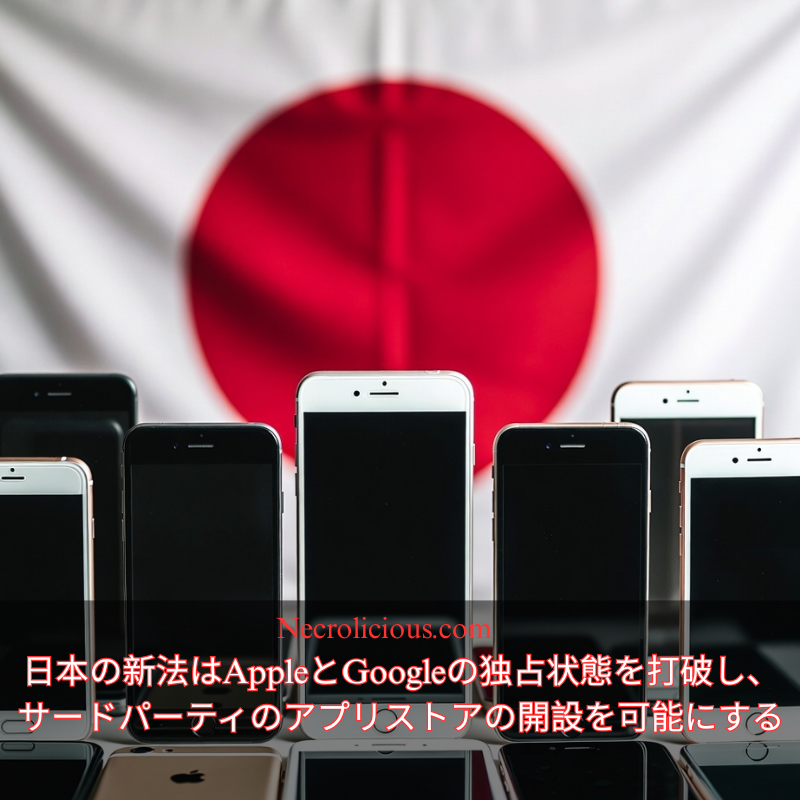
日本の新法はAppleとGoogleの独占状態を打破し、サードパーティのアプリストアの開設を可能にする

@necroliciousjp

日本の新法はAppleとGoogleの独占状態を打破し、サードパーティのアプリストアの開設を可能にする #日本 #Apple #Google #スマホ #携帯電話

♬ オリジナル楽曲 – Necrolicious JP🇯🇵 – Necrolicious JP🇯🇵

日本の公正取引委員会は、2025年12月18日にスマートフォン市場の競争促進を目的とした画期的な法律を施行することを発表しました。この法律は、AppleやGoogleといった巨大IT企業によるスマートフォン生態系の独占的な支配に歯止めをかけ、アプリストア、ウェブブラウザ、検索エンジンの選択肢を大幅に増やすことを目指しています。モバイル技術の先進国である日本が、ビッグテックに対する積極的な規制姿勢を示すとともに、利用者の安全性を守りながら競争を促す姿勢を明確にした形です。

独占を崩す新ルール 法律の主な内容

新法の中心となるのは、AppleおよびGoogleに対し、日本国内で販売されるiOS・Android端末においてサードパーティ製アプリストアの利用を制限することを禁じる点です。これまでiPhone利用者はApp Store、Android利用者はGoogle Playストアにほぼ限定されており、選択肢が極めて狭い状況でした。新法のもとでは、両社とも代替のアプリ配信チャネルを認めざるを得なくなり、独立系のアプリストアが本格的に参入できる環境が整います。

アプリストアだけでなく、初期設定されるウェブブラウザや検索エンジンにも規制が及びます。新規購入端末やOSアップデート時に、初期化後のセットアップ時に、複数のブラウザ・検索エンジンから選択できる画面が必ず表示されるよう義務付けられます。これにより、SafariやChrome、Google検索が自動的にデフォルトとなる状況は終わりを迎えます。

公正取引委員会は「新たな事業者の参入を促すことで利用者の利便性を向上させる」と説明しており、日本独自のニーズに最適化されたアプリや、プライバシー保護を強化したサービスなど、多様な選択肢が誕生することが期待されています。

楽天で購入

消費者と業界に与える影響

日本のスマートフォン利用者にとっては、これまで閉ざされていたアプリやサービスにアクセスしやすくなるほか、開発者にとっては30%にも上る手数料負担の軽減や、より柔軟な価格設定が可能になるなど大きなメリットが見込まれます。国内のモバイル端末普及率が9割を超える中で、より安価で高機能なアプリが急速に広がる可能性があります。

一方で、公開された意見募集では「サードパーティストアの増加によるセキュリティリスク」への懸念が多数寄せられました。審査が不十分なアプリストアからマルウェアが拡散する恐れや、個人情報保護水準のばらつきなどが指摘されています。公正取引委員会はこうしたリスクを認識し、継続的な監視体制と違反企業への迅速な措置を約束するとともに、全てのアプリ配信事業者に厳格な認証基準を課すことで安全性を確保する方針を示しています。

より開かれたデジタル社会への一歩

2025年12月18日の施行は、日本がデジタル市場の公平性と革新性を両立させる大きな転換点となります。利用者により多くの選択肢を提供し、国内の開発者やスタートアップに新たな活躍の場を生み出す一方で、安全性への配慮も怠らない。このバランスの取れたアプローチは、他のアジア諸国や欧米諸国にとっても参考となるモデルとなるでしょう。

施行後の実際の効果に注目が集まる中、日本は「選択がイノベーションを育む」より開かれたモバイル環境の実現に向けて、確かな一歩を踏み出しました。

特に記載がない限り、上の画像アセットはオリジナルのコンテンツではなく、著作権や所有権を主張せずに公正使用の教義に基づいて共有されています。クレジットや削除に関する問い合わせは、necrolicious@necrolicious.comまでご連絡ください。

この投稿のスポンサーは。。。俺!サポートいただける方は、俺のオリジナルミームグッズをSUZURIでお買い求めいただくか、アフィリエイトリンクをチェックして他の素敵なアイテムをご覧ください。上記の記事には追加の関連リンクが含まれる場合があります。関連リンクをクリックして登録や購入を行うと、コミッションを獲得する場合があります。これはあなたが製品やサービスに対して支払う価格を上げませんので、あなたに費用がかからずこのウェブサイトをサポートするのに役立ちます。

SUZURIで購入

Share this:

Japan’s New Law Breaks Apple & Google’s Monopoly, Allowing Third-Party App Stores to Launch

@necroliciouseng

Japan’s New Law Breaks Apple & Google’s Monopoly, Allowing Third-Party App Stores to Launch #japan #bigtech #Apple #google #apps

♬ Technology – Marie Vaunt

In a significant move to foster competition in the digital marketplace, Japan’s Fair Trade Commission has announced that a landmark law will take effect on 18 December 2025. This legislation targets the longstanding dominance of global tech giants such as Apple & Google over smartphone ecosystems, aiming to empower consumers with enhanced options for app stores, web browsers & search engines. As the nation continues to solidify its position as a leader in mobile technology innovation, this development signals a proactive stance on regulating Big Tech while balancing the need for user security.

Breaking the Monopoly: What the Law Entails

At its core, the new regulations prohibit companies like Apple & Google from restricting access to third-party app stores on iOS & Android devices sold in Japan. Previously, users were largely confined to the official App Store for iPhones or the Google Play Store for Android phones, limiting choices & potentially stifling innovation from smaller developers. Under the updated framework, these firms must permit alternative distribution channels, opening the door for independent app marketplaces to thrive.

Beyond app stores, the law extends its reach to default services. For the first time, new smartphone users — & those updating their operating systems — will encounter prompts offering multiple selections for web browsers & search engines. This means an end to the automatic preselection of Safari or Chrome as defaults, or Google Search as the primary engine, providing greater flexibility tailored to individual preferences.

The Fair Trade Commission emphasises that these changes are designed to “improve convenience by encouraging new market entrants.” By levelling the playing field, the authority anticipates a surge in diverse offerings, from localised apps optimised for Japan’s unique digital landscape to innovative tools that cater to specific user needs, such as enhanced privacy features or seamless integration with domestic services.

Buy on Rakuten Japan

The Broader Implications for Consumers & the Tech Sector

For everyday smartphone users in Japan, the immediate benefits could include access to a wider array of applications without the barriers imposed by proprietary ecosystems. Developers, too, stand to gain: reduced reliance on dominant platforms may lower commission fees — often as high as 30% — allowing for more affordable apps & faster iteration on user feedback. In a market where mobile penetration exceeds 90%, this could accelerate the adoption of cutting-edge technologies, including AI-driven tools & augmented reality experiences that align with Japan’s forward-thinking tech culture.

However, the transition is not without challenges. Public comments submitted to the Fair Trade Commission have highlighted legitimate concerns over user security. Critics argue that third-party app stores might introduce vulnerabilities, such as unvetted software or inconsistent data protection standards, potentially exposing users to malware or privacy breaches. The commission acknowledges these risks & has committed to ongoing monitoring, with provisions for swift enforcement against non-compliant entities. To mitigate these issues, the law includes safeguards requiring all app distributors to adhere to rigorous certification processes, ensuring that security remains paramount.

This balanced approach reflects Japan’s regulatory philosophy: promoting fair competition without compromising the trust that underpins its world-class digital infrastructure. As one of Asia’s largest economies, Japan’s actions could serve as a model for other nations grappling with similar antitrust dilemmas in the smartphone sector.

A Step Towards a More Inclusive Digital Future

The enactment of this law on 18 December marks a pivotal moment in Japan’s efforts to democratise access to technology. By challenging the status quo, it not only enhances consumer choice but also invigorates the local tech ecosystem, fostering innovation that benefits developers, businesses & users alike. While security concerns warrant vigilant oversight, the potential rewards — a more dynamic, user-centric mobile landscape — are substantial.

As the implementation unfolds, stakeholders will watch closely to assess its real-world impact. For now, this legislation underscores Japan’s commitment to an open & equitable digital economy, one where choice drives progress.

Unless otherwise noted, image assets above are NOT original content & are shared under fair use doctrine with NO claims to authorship or ownership.
Contact necrolicious@necrolicious.com for credit or removal.

This post was sponsored by…ME! If you’d like to support, please buy my original meme merchandise or check out my affiliate links to get yourself some other cool things. Additional affiliate links may be contained in the above article. If you click on an affiliate link & sign up/make a purchase, I may earn a commission. This does not increase the price you pay for the product or service, so it helps support this website at no cost to you.

Buy on Suzuri
Share this:

Are MicroSD Card Slots Poised for a Smartphone Comeback Amid Rising Storage Costs?

It’s nearly 2026, but my 2019 Samsung Galaxy S10 remains in daily use. Why? It was part of the final mainline Galaxy S lineup to ever include a microSD card slot. For me & countless other Android enthusiasts, this single feature represented genuine freedom: expandable storage that could be upgraded or replaced for pennies compared to the ever-escalating cost of built-in memory. When Samsung dropped the slot with the Galaxy S20 in 2020 & every flagship since, many of us felt the industry was simply copying Apple’s long-standing refusal to offer expandable storage on any iPhone. We warned that removing this incalculably beneficial feature would be bad for business – & now, in late 2025, it appears that prediction is proving more correct than ever. Soaring DRAM prices are pushing manufacturers to the limit, & the latest supply-chain intelligence strongly suggests that microSD card slots are being seriously reconsidered for future flagship devices. The feature we refused to surrender may be on the verge of a full-scale return.

In an era where smartphone storage demands continue to escalate, the prospect of expandable memory options returning to flagship devices has sparked considerable interest among consumers & industry observers alike. Recent reports suggest that surging prices for DRAM – the core component in device memory – may compel leading manufacturers to reinstate the microSD card slot, a feature absent from premium handsets for over six years. This potential revival could alleviate the financial burden on buyers facing ever-higher costs for internal storage upgrades, offering a more flexible & cost-effective alternative.

The Surge in DRAM Prices: A Catalyst for Change

Dynamic Random Access Memory (DRAM) forms the backbone of smartphone storage, enabling the seamless multitasking & high-resolution media handling that modern users expect. However, global supply constraints have driven DRAM prices to unprecedented levels, with shortages projected to endure until at least the fourth quarter of 2027. Analysts note that prices for 12GB LPDDR5X components – essential for contemporary flagships – have more than doubled, climbing from $33 at the year’s outset to $70 per unit.

This escalation stems from broader semiconductor challenges, including production bottlenecks & heightened demand from data centres & AI applications. Even established players like Samsung have prioritised profitability over internal supply chains, reportedly declining bulk memory requests from their own mobile division in favour of quarterly contracts. As a result, manufacturers face mounting pressure to maintain competitive pricing without eroding margins, prompting a reevaluation of longstanding design choices.

Buy on Rakuten Japan

Why a MicroSD Comeback Makes Strategic Sense Now

With DRAM costs showing no signs of abating through 2026, reinstating microSD slots emerges as a pragmatic response for manufacturers. By enabling consumers to purchase entry-level storage models & augment them with high-capacity cards, brands can mitigate the need for across-the-board price hikes. This strategy not only preserves shipment volumes but also appeals to value-driven buyers, fostering loyalty in a saturated market.

Emerging standards like microSD Express further bolster the case, promising read & write speeds exceeding 800 MB/s – on par with internal SSDs. Samsung’s own 512 GB P9 Express card, available for around $75, exemplifies this evolution, delivering rapid transfers without the performance bottlenecks of older formats. Chinese supply chain whispers indicate that new flagships slated for the latter half of 2026 could integrate these slots.

Such a revival would democratise access to ample storage, empowering photographers, videographers, & power users to sidestep the escalating cost of built-in memory.

Looking Ahead: A More Inclusive Storage Landscape

Your trusty Galaxy S10 might soon stop being the last of its kind. As smartphone innovation accelerates, the rumoured return of microSD slots signals a potential recalibration towards consumer-centric design. The flexibility many of us miss may soon enhance the devices of tomorrow.

Unless otherwise noted, image assets above are NOT original content & are shared under fair use doctrine with NO claims to authorship or ownership.
Contact necrolicious@necrolicious.com for credit or removal.

This post was sponsored by…ME! If you’d like to support, please buy my original meme merchandise or check out my affiliate links to get yourself some other cool things. Additional affiliate links may be contained in the above article. If you click on an affiliate link & sign up/make a purchase, I may earn a commission. This does not increase the price you pay for the product or service, so it helps support this website at no cost to you.

Buy on Suzuri
Share this: